
Ever wonder why grandma didn’t make us take probiotics?
Probiotics have gained significant attention in recent years, with their potential benefits being touted for a wide range of health conditions. However, past generations did not have the same need for probiotics as modern individuals. This document will explore the reasons why past generations may not have required the intake of probiotics.
Limited Access to Antibiotics
One of the key differences between past generations and modern individuals is the availability of antibiotics. Antibiotics have become an integral part of modern medicine, used to treat bacterial infections and save lives. However, past generations may not have had access to antibiotics or their usage may have been limited. Without the constant exposure to antibiotics, past generations may have been less prone to the development of antibiotic-resistant bacteria.
Research has shown that the overuse and misuse of antibiotics can disrupt the balance of bacteria in the gut, leading to poor gut health. This imbalance can contribute to various digestive issues and may increase the need for probiotics in modern individuals. However, without the widespread use of antibiotics, past generations may have had a more stable and diverse gut microbiome, reducing their reliance on probiotics.
Antibiotics Are Baaad??!
Having said that, antibiotics are crucial in treating bacterial infections and saving lives. They have revolutionized modern medicine and continue to be essential in managing serious bacterial diseases.
Traditional Diets
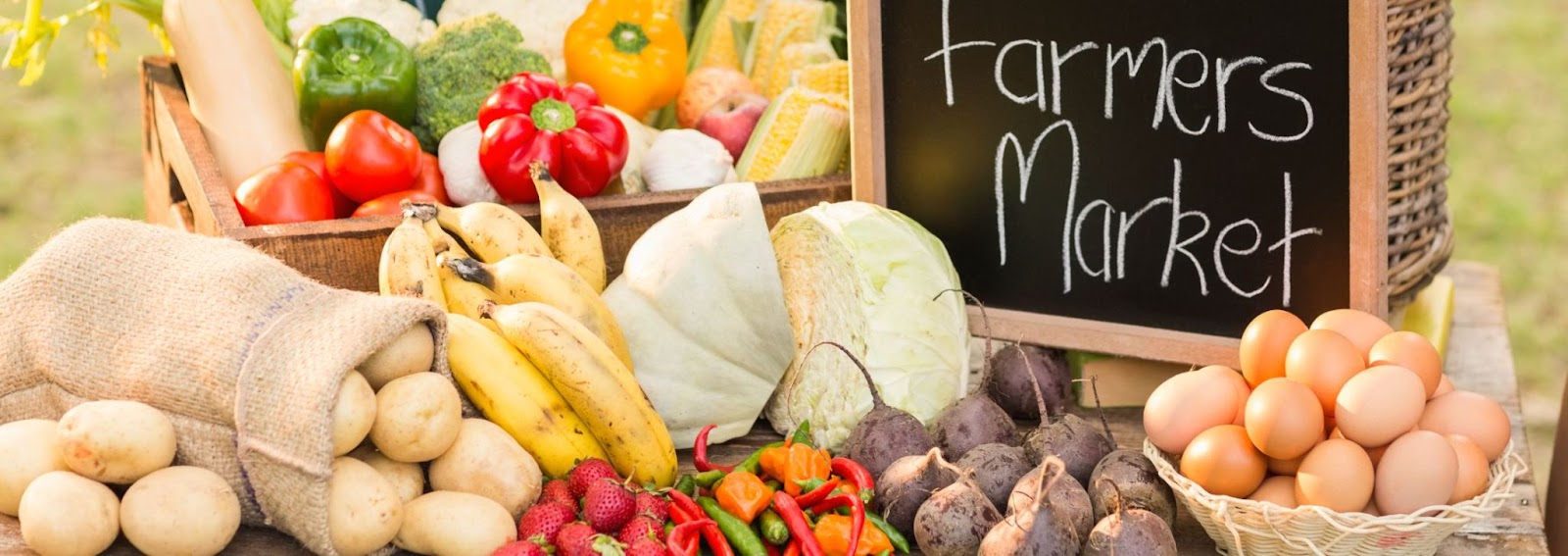
Past generations had different dietary habits compared to modern individuals. Traditional diets often included a diverse range of fermented foods such as yogurt, kefir, sauerkraut, and kimchi. These fermented foods contain beneficial bacteria, similar to those found in probiotics, which can assist in maintaining a healthy gut. By consuming these naturally fermented foods, past generations may have inadvertently consumed probiotics without the need for supplementation.
The consumption of whole, natural foods in past generations provided a rich source of nutrients and fibre, which are essential for maintaining a healthy gut. These foods supported the growth of beneficial bacteria in the gut, promoting a balanced microbiome and reducing the need for probiotic supplementation. Modern diets, on the other hand, are often high in processed foods, which can disrupt the natural balance of bacteria in the gut. This can cause digestive problems and increase your risk of developing chronic illnesses.
Increased Exposure to Natural Sources
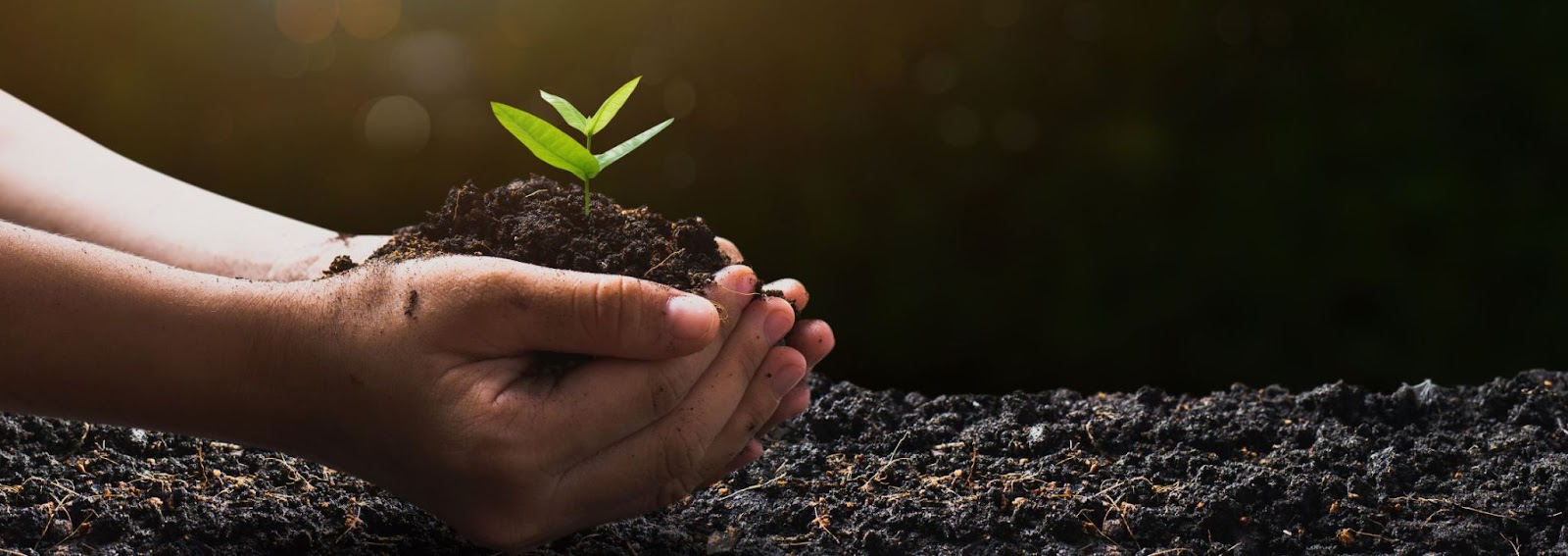
Past generations had greater exposure to natural sources of probiotics, such as soil and animals. This is because in the past, people were more exposed to natural sources of probiotics due to traditional diets, fewer processed foods, and a greater reliance on natural sources of food. Through activities such as farming, gardening, and hunting, individuals would have come into contact with these natural sources of probiotics. This increased exposure may have helped to maintain the balance of beneficial bacteria in the digestive system.
Additionally, past generations may not have had the same level of sanitation and hygiene practices, which may have further contributed to increased exposure to natural probiotics. For instance, people living in rural areas may not have had access to clean drinking water or proper sanitation facilities, leading to higher levels of bacteria in the environment. This increased exposure to bacteria may have provided a natural source of probiotics, which may have had a positive effect on human health.
Lack of Stress and Modern Lifestyle
Modern lifestyles, characterised by stress, poor dietary choices, and sedentary lifestyles, can disrupt the balance of beneficial bacteria in the gut. Past generations, on the other hand, may have had different lifestyles, with less stressful environments and more physically active routines. These factors may have contributed to a healthier balance of gut bacteria, reducing the necessity for probiotics.
While it may be challenging to completely eliminate processed foods from our diets, incorporating more whole, unprocessed foods can still have a positive impact on our gut health. By prioritizing fruits, vegetables, whole grains, and lean proteins, we can provide our bodies with the necessary nutrients and fiber for a healthy gut. It’s important to make small, sustainable changes to our eating habits that we can maintain in the long term.
In conclusion, past generations may not have needed probiotics due to several factors. Limited access to antibiotics, traditional diets, increased exposure to natural sources, and lack of stress may have all played a role in keeping the balance of beneficial bacteria in the digestive system. Modern individuals, on the other hand, may experience a need for probiotic supplementation due to various factors, including antibiotic usage, dietary changes, and increased stress levels.
Find out more about G-NiiB probiotics that are formulated for Asian gut heath.