
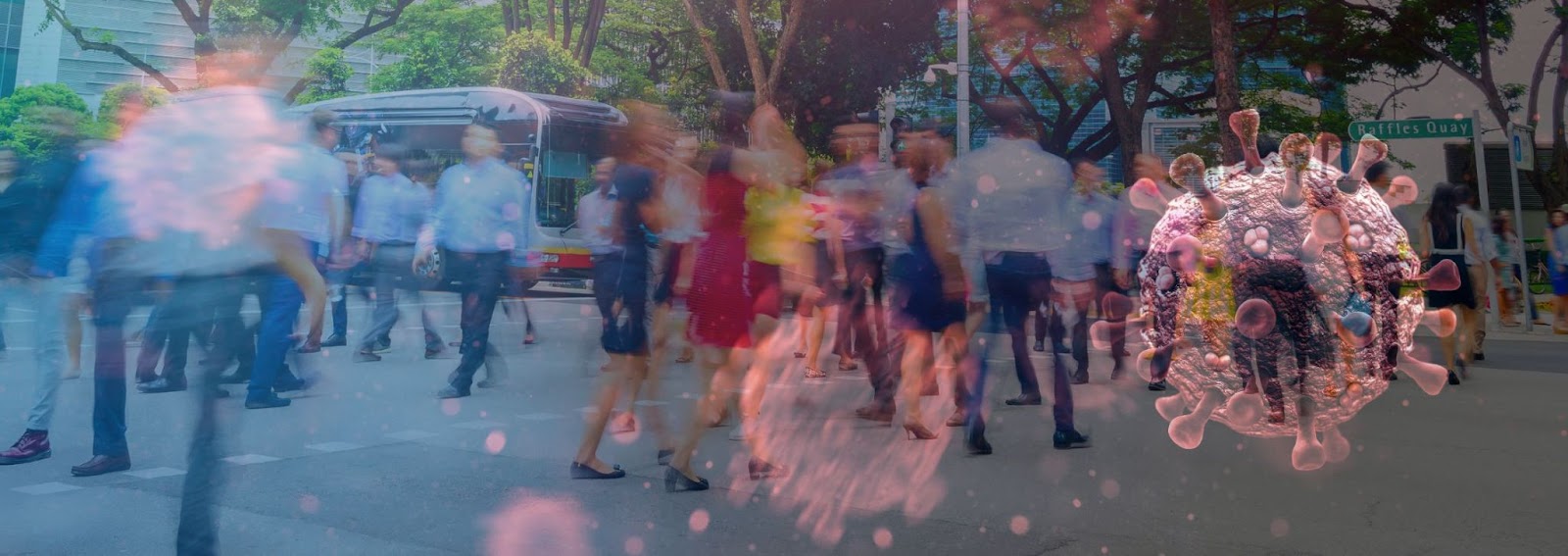
JN.1, a variant of concern recently identified in Singapore, has sparked concern among public health authorities due to its rapid spread rate within the local population. This variant, first identified in April 2021, has been designated as a “Variant of Interest” by the World Health Organization (WHO).
Transmission and Symptoms of JN.1
JN.1 seems to exhibit a higher transmissibility compared to other variants of concern identified in Singapore. This has led to a surge in cases, with JN.1 now accounting for the majority of infections in the country.
Similar to other COVID-19 variants, JN.1 primarily spreads through respiratory droplets when an infected person coughs, sneezes, or talks. These droplets can then enter the noses or mouths of others nearby, leading to transmission.
The symptoms of JN.1 are similar to those of other COVID-19 variants, including cough, fever, sore throat, fatigue, and loss of taste or smell. However, it is important to note that individuals infected with JN.1 may exhibit different symptoms compared to those infected with other variants.
JN.1 Impact on Vaccine Effectiveness
The effectiveness of existing vaccines against JN.1 is currently under investigation. The WHO has stated that available vaccines should still provide some protection against severe cases of COVID-19, including those caused by JN.1.
However, it is recognised that vaccine effectiveness may decrease over time as new variants of concern emerge. Regular vaccination updates and booster shots may be required to maintain optimal protection against the virus.
Health Measures
To slow the spread of JN.1 and prevent further transmission, public health measures such as mask-wearing, social distancing, hand hygiene, and contact tracing remain crucial. These measures help limit contact between individuals, reducing the risk of transmission.
Additionally, individuals are encouraged to get vaccinated as soon as possible, as vaccination has been shown to provide significant protection against severe illness.
Personal Measures to Minimise the Spread of JN.1 in Singapore
1. Wear a Mask:
Wearing a mask is an effective way to prevent the transmission of respiratory droplets. Ensure that masks are properly worn and fit snugly over the nose and mouth.
2. Maintain Social Distancing:
Maintain a distance of at least 1 meter (3 feet) between yourself and others in public places. Avoid close contact with people outside of your household.
3. Regular Handwashing: Wash your hands frequently with soap and water for at least 20 seconds. Use an alcohol-based hand sanitizer when soap and water are not available.
4. Avoid Touching Your Face:
Avoid touching your face, especially your eyes, nose, and mouth, as this can lead to transmission of the virus.
5. Practice Respiratory Etiquette:
Cover your mouth and nose with a tissue or your inner elbow when coughing or sneezing. Dispose of the used tissue immediately and wash your hands.
6. Stay Home if You Are Sick:
Stay home and avoid contact with others if you are experiencing symptoms such as fever, cough, or difficulty breathing. Seek medical advice promptly.
7. Boost Your Immunity with Probiotics:
Probiotics are beneficial microorganisms that can be found in certain foods and supplements. They are thought to support a healthy gut and immune system. Probiotics can help balance the gut microbiome, which is the community of microorganisms that live in our intestines.
A healthy gut microbiome is important for overall health. It has been associated with numerous benefits, including improved digestion, weight management, and immune function. Our immune system is closely tied to our gut microbiome, and probiotics are believed to play a role in supporting a strong immune system.
Stimulation of Immune Cells
One way probiotics can support immunity is by competing with harmful bacteria for binding sites in our gut. This helps to keep the harmful bacteria in check and prevents them from colonising and causing illness. Probiotics can also stimulate the production of certain immune cells, such as antibodies and cytokines, which help to fight infection.
In addition to supporting the immune system, probiotics may also have a role in preventing respiratory infections. Some studies have shown that probiotics can help to reduce the number of respiratory infections in individuals with a weakened immune system.
It is important to note that probiotics are not a substitute for good hygiene practices. It is important to continue washing your hands frequently, avoid close contact with sick individuals, and stay home if you are feeling unwell.
Minimising the transmission of COVID-19 requires a collective effort from individuals, communities, and businesses. By practicing personal preventive measures, supporting community measures, and implementing workplace strategies, we can contribute to the ongoing efforts to contain the virus and safeguard public health. Let us continue to work together to ensure a safe environment for all in Singapore.
JN.1, a variant of concern identified in Singapore, has raised concerns due to its rapid transmission and dominance in the local caseload. While further research is needed to determine its impact on vaccine effectiveness, public health measures such as vaccination, mask-wearing, and social distancing remain essential in reducing transmission and preventing the spread of the virus.