

The human microbiome is a complex ecosystem of microorganisms, specifically bacteria, that inhabit the body, playing an essential role in human health and disease. Recent studies have shown that there are multiple differences in the composition of the gut microbiome among populations around the world. In particular, East Asians have been found to have distinctly different microbiome compared to people in the West. This difference highlights the importance of understanding the role of probiotics and prebiotics; and looking out for probiotics catered to enhance the microbiome of Asians. In this article, we will provide a comprehensive guide to probiotics, including their effects on gut and overall health, the various benefits of Bifidobacterium and Lactobacillus for Asians, and why probiotics is so important. So, let’s dive into the 101 of probiotics and learn how they can help improve your gut health!
Introduction to the Human Microbiota
Although the term “bacteria” is more often than not used when referring to harmful pathogens responsible for diseases or infections; bacteria and microorganisms, in the context of the human microbiota, play an extremely vital role in human health and immunity. Although invisible to the naked eye, there is actually a huge community of microorganisms in our entire body, with the highest volume being in our intestines.
This large population of microorganisms contributes so much to our body that some have even labelled it an organ of its own. There are different types of organisms that coexist in this large population. To be more specific, there are various types of bacteria, fungi, parasites and viruses, each consisting of two types – the helpful and harmful. Even though pathogenic microorganisms exist in this microbial community, they cohabitate with the coexisting non-pathogenic microorganisms. However, it is when the balance of this population is disturbed that the human body becomes prone to diseases and other issues.
How Gut Health Affects Our Body?
The following diagrams illustrate the outcomes of both unhealthy and healthy gut microbiota:

Gut microbial strains and negative health outcomes of gut microbial dysbiosis.
Credit: https://www.frontiersin.org/

Positive health outcomes of gut microbial eubiosis.
Credit: https://www.frontiersin.org/
Over the past decades, research has shown that the microbiome of the gut ensures the proper operation of the human body. For instance, studies have shown that a balanced gut microbiome is vital for a properly functioning immune-system and preventing fatigue, making it essential for daily activities. Furthermore, the balance in gut microbiome of each person varies slightly, making some more prone to disease than others. This is because the microbiome of the gut changes with the environment, age of the body and diet. For instance, the gut microbiome in that of infants and elderly are much less balanced than that of a healthy adult.
The Difference Between Microbiome in Asians and Euro-Americans
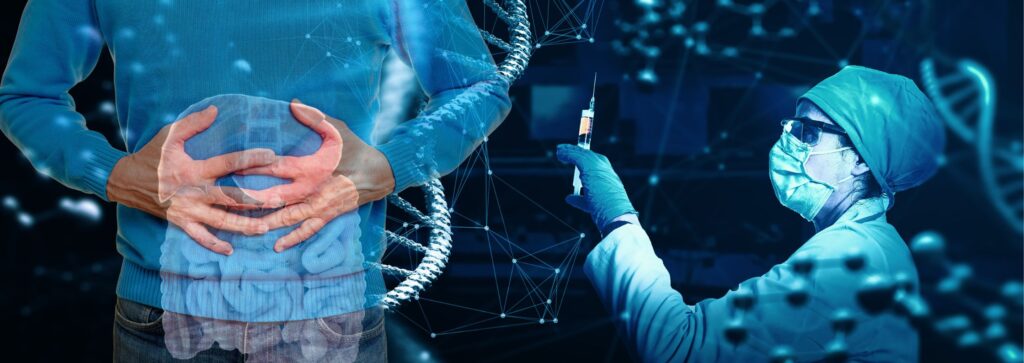
Many previous studies on the human microbiome had been conducted using sample sfrom Euro- American individuals. This made it unknown to researchers that there was a difference in the microbiome of Asian individuals and Euro-American subjects they had been referring to. Recently, studies have been showing that there are indeed many differences in the microbiome population of Asians as compared to those of European descent.
One instance is that a study showed that metabolic health of Asians is worse than those of other ethnicities, living in the same area. The difference in the diet of each group did not seem to influence the difference in metabolic health. Instead, researchers found out that there were significant differences in amounts of certain bacteria as well as the formation of the bacterial communities between those of Asian-descent and Euro-American descent.
Another study focused on how the effects of long-term trends in the diet of Asians and those of European descent. This study also proved that short-term changes in diet did not show much change in the subjects’ microbiome. However, the long-term differences in diet showed that there were significant differences in the gut microbiome of those of Asian and European descent.
These studies not only show that there are significant differences in the gut microbiome of Asian, but also show that the gut of Asians ,therefore, work slightly differently than that of Euro-Americans. As a result, it is important to ensure probiotics that is consumed is specifically made for the Asian gut microbiome. This would ensure the probiotics work properly to balance the microbiome in the gut.
What Are Probiotics and Why Are They Essential?
Probiotics are live non-harmful and beneficial microorganisms, such as bacteria, that are ingested regularly to ensure a more balanced gut microbiome. Such microorganisms are commonly found in food, plants and the human body itself. Two of the most common species of microorganisms that are used in probiotics are Lactobacillus and Bifidobacterium. Lactobacillus can be found in the human digestive system, and it is also present in fermented foods such as yogurt, kefir, and sauerkraut. Similarly, Bifidobacterium is another type of bacteria that can be found in the human gastrointestinal tract and is also present in fermented foods.
Introducing probiotics into your lifestyle helps to balance the microbial habitat in the gut. This allows for increased acidity of the intestines and improves immunity by lowering the chances of pathogenic microorganisms spreading through the gut. While probiotics does help with issues related to the gut, the ingestion of probiotics is also beneficial for other parts of the body such as the respiratory system and even the skin. Some clinical studies have even shown that the addition of probiotics has helped cure patients with acute diarrhea, respiratory infections and even eczema.
What is the Difference Between Probiotics and Prebiotics?
The main difference between probiotics and prebiotics is that probiotics contain live microorganisms that benefit the microbiome in the body. However, prebiotics contain fibers that act as food to encourage the growth of beneficial microorganisms in the body. Even though both prebiotics and probiotics contain differing ingredients, they serve the same purpose – to balance the microbiome in the human body.
How Can Probiotics and Prebiotics Help with My Gut Microbiome?
Probiotics and prebiotics work by restoring and maintaining the balance of the gut microbiome. They help increase the number of beneficial bacteria in the gut, such as Lactobacillus and Bifidobacterium, while reducing the number of harmful bacteria. Additionally, they can provide long-lasting improvements in digestive health by increasing the production of digestive enzymes and promoting regular bowel movements, decreasing chances of indigestion. By incorporating probiotics into your diet or taking probiotic supplements, you can help support a healthy gut microbiome and potentially improve your overall health. Some of the issues that probiotics can help with and prevent are:
1. Leaky gut syndrome, inflammatory bowel syndrome and indigestion
Leaky gut syndrome causes harmful substances to enter the bloodstream due to high permeability in the intestinal walls, causing inflammation of the intestines. A leaky gut is caused by the consumption of certain foods that leads to a variety of adverse symptoms in the gut such as bloating, inflammatory bowel syndrome (IBS) and indigestion. When probiotics are ingested, these live bacteria can help to strengthen the intestinal barrier, reducing its permeability. This results in the overall reduction of the above-mentioned diseases related to a leaky gut.
2. Heartburn
Heartburn refers to a burning feeling in the chest area which is caused by acid from the stomach travelling towards the esophagus. Probiotics can help by improving the function of the lower esophageal sphincter, which helps prevent stomach acid from refluxing into the esophagus.
3. “Heatiness”
“Heatiness” is a traditional Chinese medicine concept that refers to an imbalance in the body’s yin and yang energies. Probiotics can help balance the gut microbiome, which is believed to ensure the body’s overall energy balance. By promoting a healthy gut microbiome, probiotics can help reduce the symptoms of “heatiness” and improve overall health.
However, not only are probiotics essential to prevent the above-mentioned symptoms and diseases, they have other positive effects on overall human health. For instance, two of the most common bacteria used in probiotics for Asians – Bifidobacterium and Lactobacillus – have multiple advantages when taken regularly, one of them even being anti-cancer!
Bifidobacterium and Lactobacillus. And Their Benefits
Bifidobacteria is one of the main types bacteria found in the digestive system of East Asians, which when used as probiotics has been shown to have multiple benefits, including disease prevention. For example, reducing the chances of colorectal cancer and infection of the intestines. This is due to Bifidobacteria’s ability to produce different types of compounds that are useful to human health such as vitamins and acids required by the gut. Additionally, Bifidobacteria also ensures overall health of the human body. Some of the benefits of the various strains of Bifiodobacteria include:
1. Anti-infection
Clinical studies have shown that the ingestion of a particular strain of Bifidobacterium reduced respiratory tract infections in children. Additionally, a few strains of Bifidobacteria have been shown to reduce the chances of intestinal infections. When these strains of bacteria occupy a certain area of the human body, they surpass infectious pathogens in the area. This allows the body to be protected against infections, giving these strains of bacteria anti-infection properties.
2. Anti-virus
Certain strains of Bifidobacterium have been shown to be able to counter viral infections by specific viruses. Two of these pathogenic viruses include those responsible for diarrhoea in children and acute heart failure.
3. Anti-cancer
Both in-vitro studies and research on animals have shown that Bifidobacteria are able to prevent the formation of colon cancer in these models to a certain extent.
4. Anti-inflammatory
Strains of Bifidobacteria have been shown to be effective in reducing inflammation of the oral cavity and even irritable bowel syndrome (IBS).
5. Anti-depressant
Research has shown that periods of low moods can alter the regular intestinal microbiome and even cause “leaky gut”, where the permeability of the intestinal walls is increased. Certain strains of Bifidobacteria are able to regulate stress and negative psychological health in animals, inducing anti-depressant effects.
6. Bone strength regulation
Lactobacillus is another bacteria found in the human digestive system and other foods such as yogurt. There are several potential benefits of consuming Lactobacillus, including:
1. Improved Digestion
Lactobacillus can help improve digestion by promoting the breakdown of food in the gut.
2. Enhanced Immune Function
Lactobacillus has been shown to have immunomodulatory effects, which means it can help regulate the immune system and improve its function. This can help reduce the risk of infections and other immune-related disorders.
3. Reduced Inflammation
Lactobacillus can help reduce inflammation in the gut by promoting the growth of beneficial bacteria and compounds; and reducing the number of harmful bacteria. This can help alleviate symptoms of inflammatory bowel disease and other inflammatory conditions.
4. Improved Nutrient Absorption
Lactobacillus ensures the proper absorption of nutrients in the gut by promoting the growth of beneficial bacteria. At the same time it also reduces the number of harmful bacteria that can inhibit with nutrient absorption.
5. Reduced Risk of Certain Health Conditions
Lactobacillus has been shown to have potential benefits in reducing the risk of certain health conditions, such as diarrhoea, irritable bowel syndrome, and eczema.
If you are of Asian descent and are looking to get started with probiotics or prebiotics, you should look out for products containing or feeding either Bifidobacterium or Lactobacillus. These two bacteria have been widely used and found to be beneficial in balancing Asian microbiome. In addition, not only do they help with gut-related issues, they are able to provide a number of advantages, as mentioned above!
Conclusion: The Importance of Probiotics and Prebiotics
Having been reported to have multiple advantages to the gut microbiota, including probiotics or prebiotics into your lifestyle is of importance. This is especially true if you are consistently suffering from gut issues such as indigestion, “heatiness” and heartburn. Balancing your gut microbiome would be able to help with such issues in the long term. And, ensure a healthy body.
References
2. https://www.ncbi.nlm.nih.gov/pmc/articles/PMC7464982/
5. https://academic.oup.com/ajhp/article-abstract/67/6/449/5130018
6. Recent Development of Probiotic Bifidobacteria for Treating Human Diseases – PMC (nih.gov)
7. Acne vulgaris, probiotics and the gut-brain-skin axis – back to the future? – PMC (nih.gov)
11. Probiotics: Protecting Our Health from the Gut – PMC (nih.gov)