

Millions of children worldwide suffer from childhood eczema, or atopic dermatitis, which causes dry, itchy, and inflamed skin. Many parents are looking for safe and reliable solutions to their children’s discomfort due to a lack of understanding of the causes of eczema, and restricted availability of effective medications. A potential natural remedy for this condition is probiotics, which are live beneficial bacteria and yeasts. Several health benefits are offered by these microorganisms, primarily to the digestive system, when consumed in adequate amounts. Probiotic can provide relief to children suffering from childhood eczema, relieving their suffering and adding to the limited understanding and treatment options available.
The Eczema and Gut Connection
Research has shown a connection between gut health and skin conditions like eczema, through the gut-skin axis. A balanced gut microbiome has been found to be crucial for maintaining overall health. This includes immune system functionality and inflammation regulation. Imbalances in the gut flora can lead to increased inflammation and may contribute to the development of eczema in children.
Natural Remedies with Probiotic for Childhood Eczema
Gut microbiomes can be balanced with probiotics, which are natural remedies. Yeast, kimchi, and natto are fermented foods that contain them, or they can be taken as supplements. By enhancing the immune system and reducing inflammation, probiotics can help reduce the severity and frequency of flare-ups in children with eczema.
Findings from Clinical Studies
Probiotics have been investigated for their potential benefits in childhood eczema in a number of clinical studies. Compared to healthy individuals, patients with eczema tend to have different microbiomes. It has been found that those with eczema have an excessive amount of a bacteria called S.aureus. By adding probiotics to the diet of eczema patients, the microbiome in the gut and the skin could be balanced. Hence resulting in long-term skin relief. The use of probiotics in conjunction with other eczema treatments can enhance the benefits of these treatments, providing better relief for patients.
S.aureus is believed to be a major cause of childhood eczema. It is due to its ability to produce toxins that trigger an inflammatory response. These toxins can disrupt the balance of the microbiome, leading to an overgrowth of S.aureus in the skin and gut, and ultimately causing eczema. S.aureus also causes inflammation by releasing enzymes that irritate the skin and cause itching, which further exacerbates the eczema.
Probiotics for Childhood Eczema: Choosing the Right Probiotic

When selecting a probiotic for childhood eczema, it is essential to choose a product with strains that have been clinically proven to be effective. Lactobacillus and Bifidobacterium are two genera of bacteria that have shown promise in managing eczema symptoms. Additionally, parents should consider the probiotic’s CFU (colony-forming units) count, ensuring it is high enough to deliver therapeutic benefits.
Safety and Considerations in Taking Probiotics for Childhood Eczema
Probiotics are generally considered safe for most children with eczema. However, parents should consult with a paediatrician before introducing any new supplements to their child’s regimen, especially for children with compromised immune systems or underlying health conditions. It is also crucial to maintain a balanced diet and healthy lifestyle, as probiotics are not a cure but a complementary therapy for managing eczema symptoms.
To ensure safety in introducing probiotics to children, especially children with underlying medical conditions, parents are advised to discuss with a paediatrician first. This is because probiotics can interact with existing medications. And may not be suitable for those with compromised immune systems or underlying health conditions. Furthermore, probiotics should be used as a complementary therapy alongside a balanced diet and healthy lifestyle.
Prebiotics and Their Role in Managing Childhood Eczema
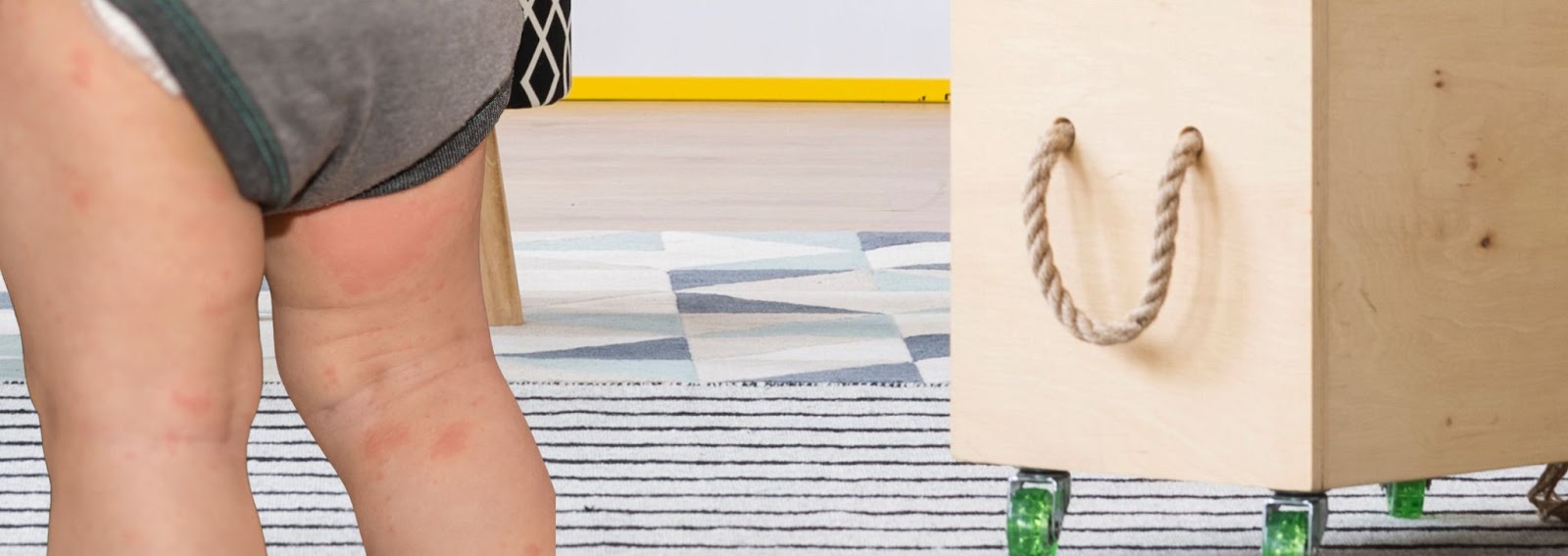
Prebiotics, nondigestible fibres that support good bacteria in the gut, can also be crucial for controlling childhood eczema. A diverse and balanced gut microbiome can be promoted by foods rich in prebiotics, such as bananas, onions, and garlic. The combination of probiotics and prebiotic supplements is not recommended, however.
Lifestyle and Environmental Factors
Childhood eczema can be managed by addressing lifestyle and environmental factors as well as managing the gut microbiome. Maintaining a healthy diet and lifestyle, avoiding triggers like allergens and irritants, and keeping the skin moisturised can reduce flare-ups and improve quality of life for children with eczema.
Find out more about G-NiiB Immune Kids SIM03 for the management of childhood eczema.
Probiotics for Childhood Eczema: The Takeaway

By targeting the underlying imbalances in the gut microbiome, probiotics offer a natural and promising approach to managing childhood eczema. Studies have shown that they can reduce the severity and frequency of eczema flare-ups, providing relief to children with the condition. A holistic approach to treating eczema symptoms in children requires a balanced diet, lifestyle modifications, and medical guidance, as well as probiotics.
In conclusion, probiotics can be useful for treating childhood eczema. Because they help to better understand the complex relationship between gut health and skin diseases. Parents can give their children less discomfort and better skin health by embracing this natural solution.