

Insomnia, a common sleep disorder that affects millions of people worldwide, can be a frustrating condition to deal with. While there are various causes of insomnia, one surprising factor that often goes unnoticed is the impact of gut health. In this blog post, we will explore the intriguing connection between gut health and insomnia, shedding light on how the two are intertwined.
The Gut-Brain Axis
It is now widely acknowledged that the gut and brain are closely interconnected, communicating through a complex network known as the gut-brain axis. This network is made up of different pathways, such as hormones, neurotransmitters, and immune cells, that allow the gut and brain to send signals back and forth to one another. This communication helps to regulate a variety of physiological functions, such as digestion, mood, and even mental health. The gut-brain axis is now being studied extensively as a possible cause of various mental health disorders, such as depression and anxiety.
Several clinical studies have demonstrated that the microbiota of the gut has a profound effect on gut-brain function (i.e., mental state, emotions, neuromuscular function, and steroid hormone production). The effects of microbiota on emotional and cognitive centers of the brain, both directly and indirectly, continue to be elucidated by research and it has been shown that fluctuations of the microbiota are related to changes in these communication systems.
Gut Health and Mood Disorders
The function of the gut microbiome has been linked to many mood disorders, including anxiety, depression, and autism spectrum disorders, whereas GI disease (like irritable bowel syndrome, irritable bowel disease) often involves psychological comorbidities. Researchers have shown that gut bacteria have a significant impact on neurological development in fetal and neonatal humans. Not surprising, diet also affects gut microbiome’s effect on cognition.
Gut Health and Brain Development
For example, several mood disorders, such as anxiety, depression, and autism spectrum disorders now have well-established links to functional GI disruptions, whereas GI disease (eg, irritable bowel syndrome, irritable bowel disease) often involve psychological comorbidities associated with alteration of the gut microbiome. In addition, research has demonstrated that the composition of gut bacteria appears to be influential in fetal and neonatal neurologic development.And, not surprising, diet has also been shown to influence the gut microbiome’s impact on cognitive function.
An Important Link
This bidirectional communication system allows for constant information exchange between the gut and the brain. Notably, the gut houses trillions of bacteria, collectively known as the gut microbiota, which play a crucial role in maintaining overall health. It is estimated that the human gut harbours a complex community of over 100 trillion microbial cells, which outnumbers human cells by 10 to 1.
Gut Health and Sleep Regulation
Research has revealed that the gut microbiota can significantly influence sleep patterns and quality. This surprising connection arises from the gut’s role in producing neurotransmitters and regulating the body’s circadian rhythm, or internal clock.
Serotonin
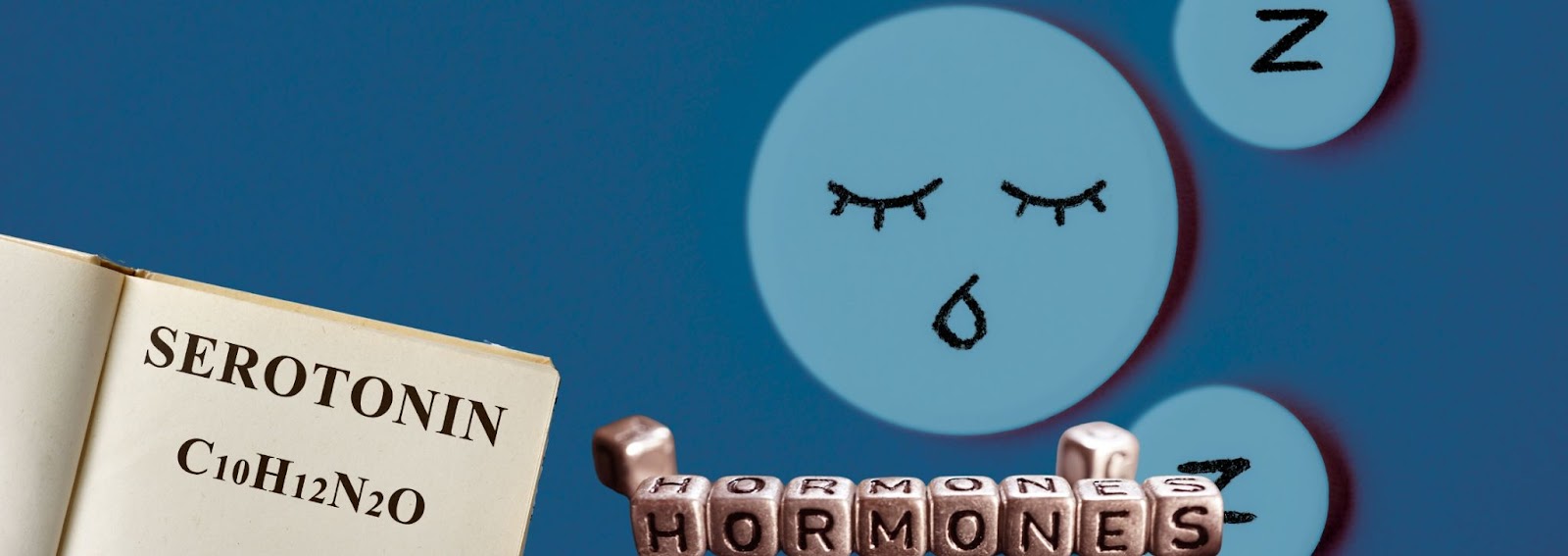
Serotonin, often referred to as the “feel-good” neurotransmitter, is involved in regulating mood, appetite, and sleep. Approximately 90% of serotonin in the body is produced in the gut. The gut microbiota produces serotonin by metabolizing tryptophan, an amino acid found in many foods. Therefore, maintaining a healthy gut microbiota is essential for optimal serotonin production.
Dopamine
Dopamine is another neurotransmitter that is primarily associated with pleasure and reward. It plays a crucial role in motivation, movement, and focus. Recent studies have shown that the gut microbiota can also produce dopamine. Specific strains of bacteria in the gut have been found to convert certain dietary compounds into dopamine precursors, which can then be further metabolized into dopamine.
GABA
GABA is an inhibitory neurotransmitter that helps regulate anxiety and stress. It promotes relaxation and reduces neural excitability. While GABA is primarily produced in the brain, emerging evidence suggests that the gut microbiota can also produce GABA. Certain bacteria in the gut are capable of synthesizing GABA from glutamate, an amino acid found in many foods.
Circadian Rhythm
In addition to neurotransmitter production, the gut also plays a crucial role in regulating the body’s circadian rhythm, or internal clock. The circadian rhythm is a natural biological process that regulates sleep-wake cycles, hormone production, and metabolism. It ensures that our bodies function optimally at different times of the day.
The gut communicates with the brain and other organs through the gut-brain axis, a bidirectional communication system. This axis includes various pathways, such as the vagus nerve and the release of signalling molecules. Through these pathways, the gut can influence the circadian rhythm by sending signals to the brain and regulating the expression of clock genes.
Furthermore, the gut microbiota itself follows a circadian rhythm. It exhibits daily fluctuations in composition and activity, which can impact various physiological processes. Disruptions to the gut microbiota’s circadian rhythm, such as those caused by irregular sleep patterns or poor diet, can have detrimental effects on overall health.
Inflammation and Insomnia
Another crucial aspect linking gut health and insomnia is inflammation. When the gut microbiota becomes imbalanced, it can result in a condition called dysbiosis, characterised by an overgrowth of harmful bacteria. This imbalance triggers chronic low-grade inflammation in the gut, which can spread throughout the body, including the brain. Inflammation in the brain has been closely associated with sleep disorders, including insomnia.
Stress and Gut Health
Stress, a common trigger of insomnia, also influences gut health. The gut-brain axis is particularly sensitive to stress, with stressors affecting the gut microbiota composition and function. Chronic stress can disrupt the delicate balance of the gut microbiota, leading to an increased risk of insomnia. Additionally, stress-induced changes in gut permeability can allow harmful substances to enter the bloodstream, further exacerbating sleep disturbances.
Improving Gut Health for Better Sleep
Fortunately, there are steps we can take to support gut health and potentially alleviate insomnia symptoms. Adopting a balanced diet rich in fibre, probiotics, and prebiotics can help promote a healthy gut microbiota. Regular exercise, stress management techniques, and adequate sleep hygiene also play a significant role in maintaining gut health and improving sleep quality.
The connection between gut health and insomnia is a fascinating area of research that highlights the intricate relationship between the gut and the brain. By understanding this link, we can take proactive steps to support our gut health and potentially alleviate insomnia symptoms. Remember, a well-nourished gut can contribute to a good night’s sleep, promoting overall well-being and vitality.