

Our gut is vital to our overall health, and the foods we eat affect its well-being. Foods that negatively impact the gut can cause a variety of digestive problems. We will explore some foods that are bad for the gut and discuss their potential consequences in this blog post.
1. Fried foods
Fried foods are cooked in oil, which can cause inflammation in the gut. They can also contain saturated fats and trans fats, which can lead to digestive problems. Fried foods also contain a lot of calories, which can lead to weight gain, which in turn leads to further inflammation in the gut. Additionally, fried foods can cause the digestive system to work harder, which can lead to digestive problems.
2. Processed meats
Processed meats are high in saturated fats, which can damage the intestinal lining. They also contain preservatives and additives, which can irritate the digestive system. Saturated fats can cause inflammation in the intestines, while preservatives and additives can cause digestive issues such as bloating and indigestion.
3. Refined grains
Refined grains can also cause digestive problems, as they are quickly broken down into sugar in the body. This can lead to an overgrowth of bacteria in the gut, which can lead to digestive problems.
4. Artificial sweeteners
Artificial sweeteners, such as aspartame, can cause digestive problems, as they can cause inflammation in the gut. Furthermore, they can interfere with the body’s ability to properly digest food.
5. Soda and sugary drinks
Soda and other sugary drinks can contain large amounts of artificial sweeteners, which can irritate the gut and interfere with digestion. Additionally, these drinks can be high in calories and can contribute to obesity, diabetes, and other health problems.
6. Excessive alcohol consumption
Alcohol can interfere with digestion, reduce the absorption of nutrients, and interfere with the body’s ability to break down fats and sugars. It can also cause dehydration, which can lead to fatigue, headaches, and other health problems.
7. Artificial trans fats
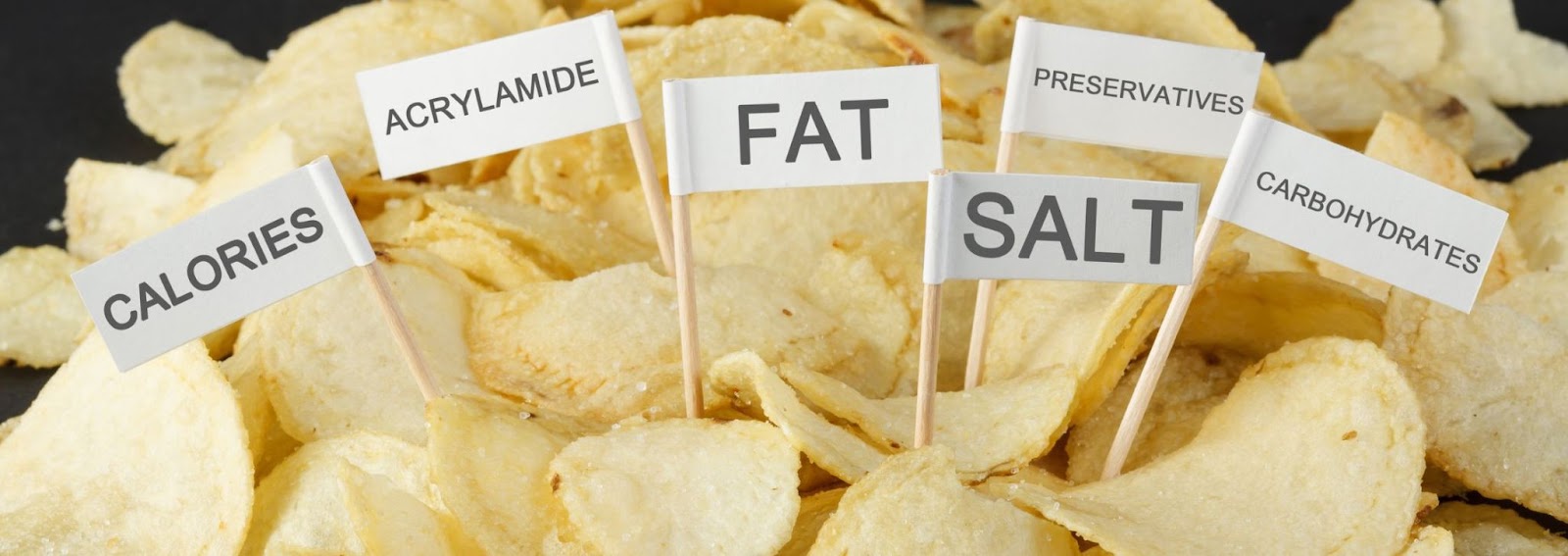
Artificial trans fats, also known as partially hydrogenated oils, are created through a process called hydrogenation. These fats are often found in processed foods and can be detrimental to gut health. They have been linked to increased inflammation, reduced gut microbiome diversity, and an increased risk of various digestive disorders. It is important to avoid foods that contain artificial trans fats to promote a healthy gut.
8. Refined vegetable oils
Artificial trans fats and refined vegetable oils are both processed and contain unhealthy fats that can increase inflammation in the gut. These fats can also damage the lining of the intestines, reducing their ability to absorb nutrients, and disrupting the gut microbiome.
9. Processed snacks
Processed snacks, such as chips, pretzels, and other packaged snacks, are often made with refined vegetable oils and artificial trans fats, both of which are high in unhealthy fats. These fats can increase inflammation in the gut, damage the lining of the intestines, and disrupt the gut microbiome, which can lead to digestive problems and other health issues.
10. High-fructose corn syrup
High fructose corn syrup contains high levels of sugar, which can be difficult for the body to digest. This can lead to inflammation in the gut, as well as an imbalance of bacteria in the gut microbiome, which can cause digestive problems and other health issues.
12. Artificial food coloring
Artificial food coloring can cause allergic reactions in some people, as well as inflammation in the gut. In addition, artificial food coloring can also interfere with digestion and the absorption of nutrients.
13. Artificial preservatives
Artificial preservatives, such as BHT (butylated hydroxytoluene) and BHA (butylated hydroxyanisole), are commonly used in processed foods to extend their shelf life. However, these preservatives have been linked to digestive issues and may disrupt the gut microbiome, leading to potential health problems. It is advisable to choose foods that are free from artificial preservatives to maintain a healthy gut.
14. Gluten
Gluten is a protein found in wheat, barley, and rye, and some people with celiac disease or gluten sensitivity can experience digestive issues when exposed to it. Eating food without gluten can help to reduce the risk of digestive issues.
15. Canned foods
Many canned foods are processed with wheat, barley, and rye, which can contain gluten. It is important to read labels carefully and avoid any products containing these ingredients. Additionally, canned goods should be rinsed thoroughly before eating to remove any remaining gluten.
16. Hydrogenated oils
These oils are often used in processed foods in order to preserve them, but they contain trans fats, which can increase cholesterol levels and risk of heart disease. For example, margarine and shortening are two common foods that have been processed with hydrogenated oils.
17. Refined carbohydrates
Examples of refined carbohydrates include white bread, white rice, and white pasta, which are all stripped of their nutritional value. Refined carbohydrates are processed and stripped of their fiber, vitamins, and minerals, making them less nutritious than their unprocessed counterparts. Additionally, they are more likely to be digested quickly and cause spikes in blood sugar levels.
18. Processed dairy products
Processed dairy products are often higher in sodium and saturated fat than unprocessed versions. They can also cause inflammation and digestive problems.
19. Red meat
Red meat, particularly when consumed in large quantities, has been associated with an increased risk of digestive issues such as constipation and bloating. This is because red meat is high in saturated fats and lacks the fiber content found in plant-based foods, which are important for maintaining a healthy gut and promoting regular bowel movements.
20. Refined table sugar

Refined table sugar contains zero fiber, and is a major source of calories. It has no nutritional value and can cause digestive problems like constipation. For example, some people with irritable bowel syndrome find that even a small amount of sugar can make their symptoms worse.
For better gut health, it is important to choose foods that are rich in fiber, vitamins, and minerals. Opting for whole grains, fruits, vegetables, and legumes can help support a healthy digestive system and prevent issues such as constipation and bloating. Additionally, incorporating probiotic-rich foods like yogurt and fermented vegetables into your diet can promote a balanced gut microbiome.