
Most people experience constipation at some point in their lives. In general, it refers to a difficulty passing stools or having fewer bowel movements than usual. Several factors can contribute to this uncomfortable condition, including diet, lifestyle, medications, and certain medical conditions. You’ll learn everything about the condition here, from its causes to its prevention and effective treatments for constipation.
Causes of Constipation

Constipation is a common gastrointestinal disorder that affects many people worldwide. It is characterized by hard, dry stools that are difficult to pass, often accompanied by abdominal pain, bloating, and discomfort. Several factors can contribute to constipation development, including:
1. Insufficient Fiber Intake
Fiber plays a crucial role in maintaining regular bowel movements. It helps bulk up the stool and adds weight to it, making it easier to pass. However, many people do not consume enough fibre in their diet, which can lead to constipation. It is recommended to consume at least 25-30 grams of fibre per day, which can be obtained from fruits, vegetables, whole grains, and legumes.
2. Lack of Physical Activity
Regular physical activity stimulates natural bowel movements. Engaging in activities such as walking, jogging, or swimming can promote regular bowel movements and prevent constipation. However, a sedentary lifestyle, often associated with desk jobs, can contribute to constipation. It is important to incorporate physical activity into your daily routine to maintain a healthy digestive system.
3. Dehydration
Constipation can also be caused by dehydration. The intestines move more slowly when the body lacks sufficient fluids. As a result, you may experience hard, dry stools and constipation. Drinking sufficient amounts of water throughout the day is important, especially during hot weather or when exercising.
4. Medications
Constipation is a side effect of some medications, including those used to treat depression, pain, and high blood pressure. These medications slow down the digestive system and reduce bowel movements. If you are experiencing constipation while taking medications, it is important to consult with your healthcare provider to discuss alternative treatment options.
5. Hormonal Changes
Hormonal changes, such as those during pregnancy, menopause, or certain medical conditions, can cause constipation. These changes can disrupt the digestive system’s normal functions, leading to constipation. It is important to consult with a healthcare professional if you experience persistent constipation during these hormonal changes.
6. Emotional Stress
Emotional stress can affect digestion, including constipation. When the body is in a state of stress, it releases stress hormones that disrupt the digestive system’s normal functioning. This can lead to constipation and other gastrointestinal issues. Practising stress management techniques such as yoga, meditation, or deep breathing exercises can help promote better digestive health.
7. Medical Conditions
Certain medical conditions, such as hypothyroidism, diabetes, and irritable bowel syndrome (IBS), can also contribute to constipation. These conditions can affect the function of the digestive system, leading to difficulties in passing stools. It is important to consult with a healthcare professional if you experience constipation along with any of these medical conditions.
8. Slowed Digestive Process
One of the primary causes of constipation is a sluggish digestive system. The gut, which includes the stomach and intestines, is responsible for breaking down food, absorbing nutrients, and eliminating waste. If the gut becomes sluggish, it may take longer for food to move through the digestive tract. This slowing of the process can lead to constipation.
9. Imbalance of Gut Microbes
As part of the gut microbiome, beneficial bacteria live in a complex ecosystem. Gut bacteria play a crucial role in maintaining healthy digestion. Constipation, however, can result from an imbalance in the microbiome of the gut. Constipation can occur if there are too many harmful bacteria or not enough beneficial bacteria in the gut.
Effective Treatments for Constipation
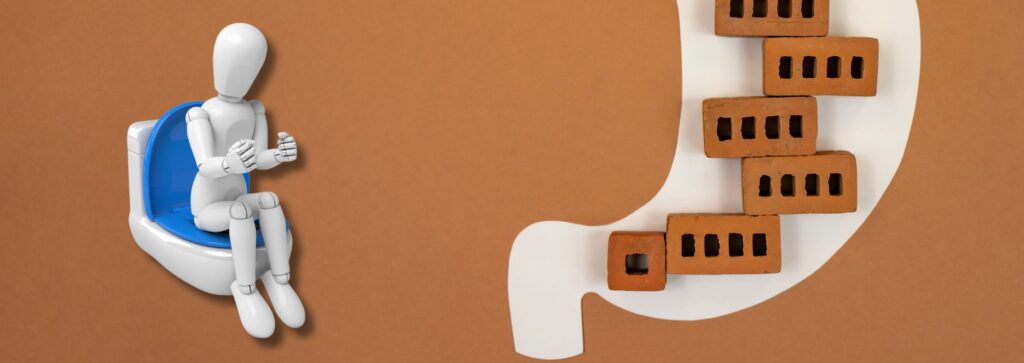
Effective Treatments for Constipation 1: Increase Fiber Intake
Increasing fibre intake can promote regular bowel movements. Fibre-rich foods include fruits, vegetables, whole grains, and legumes. Aim for at least 20 to 35 grams of fiber per day.
Effective Treatments for Constipation 2: Stay Hydrated
Proper hydration is essential for regular bowel movements. Drink at least eight glasses of water per day, and consider adding fluids like herbal teas or juices to stay hydrated.
Effective Treatments for Constipation 3: Exercise Regularly
Regular physical activity can stimulate the bowels and relieve constipation. Aim for at least 30 minutes of moderate-intensity exercise most days of the week.
Effective Treatments for Constipation 4: Eliminate Trigger Foods
Certain foods may trigger or worsen constipation. Common culprits include dairy products, processed foods, and caffeine. Consider eliminating or reducing these foods from your diet to see if it helps.
Effective Treatments for Constipation 5: Maintain Regular Bowel Habits
Establishing regular bowel habits can be effective in preventing constipation. Aim for a bowel movement around the same time each day, and keep it consistent.
Effective Treatments for Constipation 6: Stool Softeners
Stool softeners can relax the intestinal muscles and promote easier bowel movements. These medications are generally safe and can be used regularly as needed.
Effective Treatments for Constipation 7: Enemas
Enemas are temporary treatments for constipation that gently flush the bowels with a solution. They can provide immediate relief but should be used sparingly.
Effective Treatments for Constipation 8: Prokinetic Medications:
Prokinetic medications stimulate food movement through the digestive system, which can help with constipation. They are typically prescribed for short-term use.
Effective Treatments for Constipation 9: Sodium Phosphate Enemas
Sodium phosphate enemas are used to treat severe constipation or when other treatments fail. They should be used under healthcare professionals’ guidance.
Effective Treatments for Constipation 10: Senna Products
Senna products, such as teas or laxatives, are commonly used for short-term constipation relief. They contain a natural laxative ingredient and should only be used under healthcare professionals’ guidance.
Effective Treatments for Constipation 11: Heal Your Gut
While there are several treatment options available for constipation, probiotics have emerged as an effective way to alleviate this uncomfortable condition.
What are Probiotics?

Probiotics are live microorganisms, such as bacteria and yeast, that are naturally present in the human body. They play a vital role in maintaining the overall health of our digestive system. Probiotics help balance the levels of good and bad bacteria in our gut, promoting a healthy gut flora.
How do Probiotics Alleviate Constipation?
1. Promoting Regularity: Probiotics help stimulate bowel movements by increasing the number of good bacteria in your gut. These bacteria help speed up the digestive process, making it easier to pass stools regularly.
2. Improving Bowel Movements: Probiotics can influence the composition and consistency of stools. They can increase the water content and bulkiness of stools, making them softer and easier to pass.
3. Supporting Gut Health: Probiotics support the overall functioning of the digestive system. They stimulate the production of digestive enzymes and help break down food more effectively, reducing the risk of constipation.
4. Avoiding Constipation Triggers: Probiotics can help balance the gut-brain connection, reducing stress levels and promoting healthy sleep patterns. These conditions can contribute to the development of constipation.
5. Reducing Abdominal Pain: Constipation often causes abdominal pain and cramping. Probiotics can help reduce inflammation in the digestive tract, providing relief from these symptoms.
6. Improving Gut-Brain Functioning: The gut-brain axis is a two-way communication system between the brain and the digestive system. Probiotics can help improve gut-brain communication, leading to a reduction in anxiety, depression, and other psychological conditions that can exacerbate constipation.
Read more about Is There An Effective Probiotic for the Treatment of Constipation?
When to Seek Medical Advice
It is important to note that while occasional bouts of constipation are common, chronic constipation may require medical attention. If constipation persists for more than a few days or is accompanied by severe symptoms, such as blood in stools, abdominal pain, or weight loss, it is advisable to consult a healthcare professional.