

There is nothing more distressing than getting food poisoning while on vacation. An unplanned trip can turn into a nightmare, leaving you feeling ill and unable to enjoy yourself.
Singapore school holidays are just around the corner, and many people are eagerly anticipating their vacations. Many are looking forward to planning trips and exploring various destinations with the freedom to travel.
Singaporeans, known for their love of travel, are expected to embark on adventures both near and far.
With the school holiday coinciding with the festive season, some individuals may be interested in exploring holiday markets and experiencing the joyous atmosphere of other cultures. You do not want all that effort of a perfectly planned vacation to be flushed down the lavatory.
The Truth
Approximately 30 to 70 percent of travellers get gastrointestinal infections from food or water during or after their trips, according to a 2015 study in BMJ Clinical Evidence. And, one in six Americans and nearly one in ten people around the world get such illnesses caused by bacteria (E. coli, salmonella, listeria), viruses (norovirus, hepatitis A), or parasites (giardiasis, roundworms, tapeworms).
The Culprits
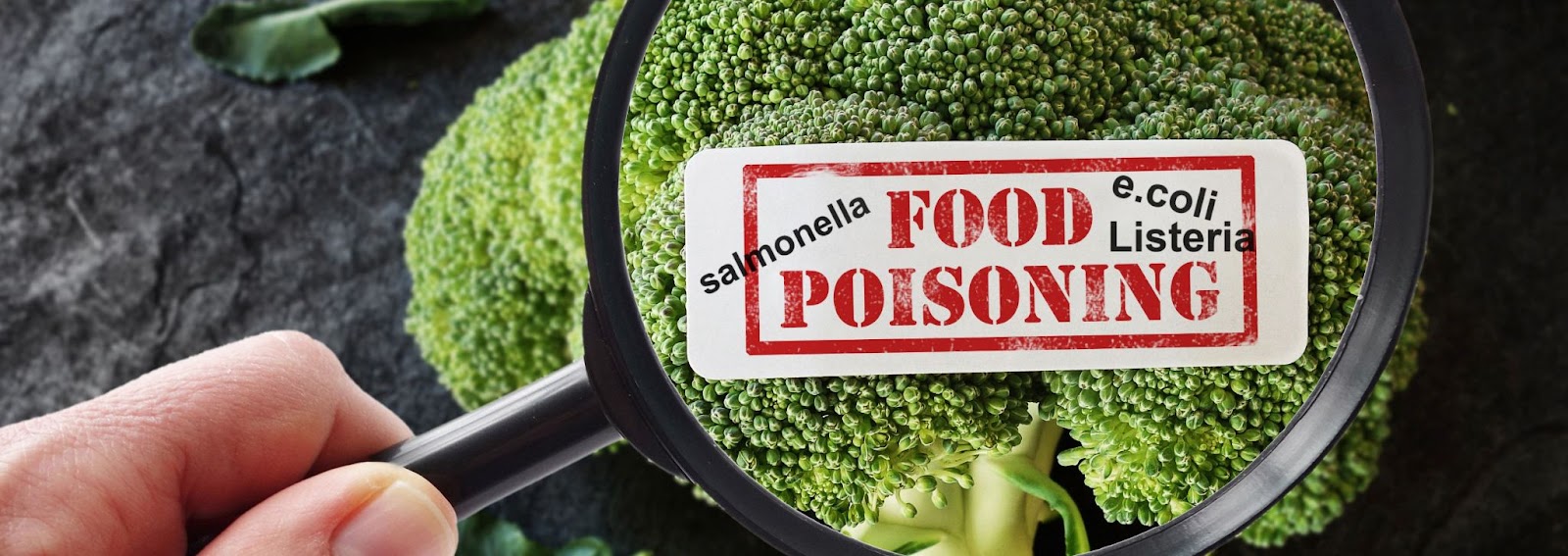
Consuming contaminated food or water on holiday is one of the main causes of food poisoning. The problem can arise when a food establishment fails to follow basic hygienic and safety precautions. The improper handling of food, improper storage, and inadequate cooking temperatures can all contribute to the growth of bacteria that cause food poisoning.
The Signs
It is common for patients with food poisoning to suffer nausea, vomiting, diarrhoea, stomach cramps, and fever. Following the consumption of contaminated food or water, these symptoms may appear within a few hours or several days. No matter an individual’s age or overall health, food poisoning can affect them.
The Necessary Precautions
There are several measures you can take to prevent food poisoning while on vacation. To begin with, it is crucial to choose reputable restaurants and food vendors that prioritise food safety. In order to ensure good hygiene practices, look for establishments with clean and tidy food preparation areas, proper handwashing facilities, and well-maintained restrooms.
As an added precaution, avoid consuming raw or undercooked foods, particularly meat, seafood, and eggs. The cooking process may not eliminate harmful bacteria from these foods. You should also be careful when eating raw fruits and veggies, as they can be contaminated if not properly washed.
In some countries, drinking water can be contaminated. If you want to drink water, it’s best if you drink bottled water or boiled water. You can reduce the risk of consuming contaminated water by not using ice cubes and brushing your teeth with bottled water.
Practising good personal hygiene can also prevent food poisoning. After using the restroom, eating or handling food, and touching surfaces that could be contaminated, wash your hands thoroughly with soap and water. Make sure you carry a hand sanitiser for those times when you don’t have access to soap and water.
Can Food Poisoning Be Prevented By Taking Probiotics?

Preventing food poisoning is all about gut health, especially during the holidays. Integrating probiotics into your diet is an effective way to improve gut health. The digestive system benefits from probiotics. They help maintain a healthy balance of gut bacteria, which can protect against harmful pathogens and reduce the risk of foodborne illnesses.
Can Probiotics Prevent Food Poisoning?
Probiotics work by restoring and maintaining the natural balance of bacteria in the gut. By strengthening the intestinal lining, they make it more resistant to harmful bacteria. This strengthens the body’s defence mechanisms, making it less susceptible to food poisoning.
Sources of Probiotics #1
Probiotics are easy to incorporate into your daily routine. Yoghurt is a great source of live cultures like Lactobacillus and Bifidobacterium. These cultures help promote the growth of good bacteria in the gut.
Sources of Probiotics #2
Fermented foods like sauerkraut, kimchi, and kefir are also good sources of probiotics. The fermentation process increases the number of beneficial bacteria in these foods. You can diversify your gut bacteria by eating fermented foods.
Sources of Probiotics #3
Supplements with probiotics are also available. Such supplements provide a concentrated dose of probiotics, so they’re great if you have specific gut problems or don’t eat enough probiotics.
Make Gut Health A Priority
Aside from regular probiotics intake, you should make other lifestyle choices that support gut health. A healthy gut comes from eating fibre-rich foods, staying hydrated, and managing stress.
As indulgent meals and social gatherings become more common during the holidays, food safety practices need to be taken into account. While probiotics can help strengthen gut health, they do not guarantee complete protection against food poisoning. Iok food to appropriate temperatures.
Happy Gut. Happy Holidays.
Probiotics can strengthen your gut health and reduce food poisoning risks during the holidays. Taking care of your gut not only alleviates the risks of foodborne illnesses, but also helps you feel better and digest food better. Make probiotics a part of your daily routine and enjoy a healthier holiday season.
Prioritise safety when travelling and follow any travel advisories or guidelines issued by the authorities. Taking precautions and staying informed about COVID-19 protocols is the best way to ensure a smooth trip.
Do not let food poisoning foul up your holidays!