
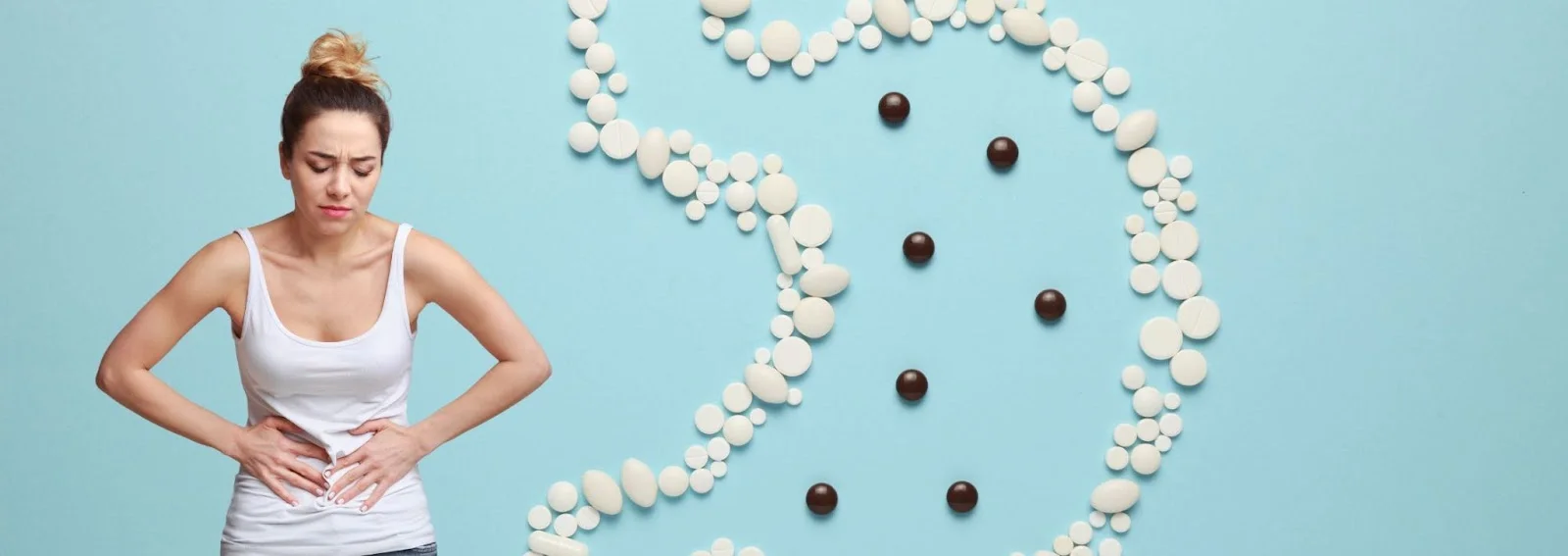
Ingestion of contaminated food or beverages can lead to food poisoning, a common and potentially dangerous condition. In food, toxins, bacteria, viruses, parasites, and parasite eggs can cause illness and discomfort.
We explain everything you need to know about condition, such as the causes, symptoms, treatment, and prevention and the role of probiotics.
Causes of Food Poisoning
It’s possible to get food poisoning from improper food handling, inadequate cooking, or cross-contamination. Salmonella, E. coli, and Campylobacter are the main culprits. You can also get infected from viruses like norovirus and hepatitis A. You can also get food poisoning from parasites like Giardia and Toxoplasma.
Symptoms of Food Poisoning
In general, the symptoms include nausea, vomiting, diarrhoea, abdominal pain, fever, and headache depending on the causative agent. As a result of consuming contaminated food or beverages, these symptoms typically manifest within a few hours to a few days. Depending on the severity of the food poisoning, it can result in dehydration, organ failure, and even death, particularly among vulnerable populations such as young children, pregnant women, older adults, and individuals with weakened immune systems.
Treatment of Food Poisoning
The primary treatment for food poisoning involves supportive care in order to alleviate symptoms and prevent complications. Staying hydrated is essential for replacing electrolytes lost. In severe cases, medical attention may be required to administer intravenous fluids and medications to control vomiting or diarrhoea. Antibiotics are generally not prescribed unless a specific bacterial infection is identified and confirmed.
Prevention of Food Poisoning
Preventing food poisoning starts with practising good food safety habits. This includes washing hands thoroughly before handling food, properly storing perishable items at appropriate temperatures, separating raw and cooked foods to avoid cross-contamination, and cooking food thoroughly to kill any harmful bacteria. It is also essential to ensure that food is sourced from reputable suppliers and that proper hygiene is maintained during food preparation and handling.
How Food Poisoning Affects the Gut Microbiome
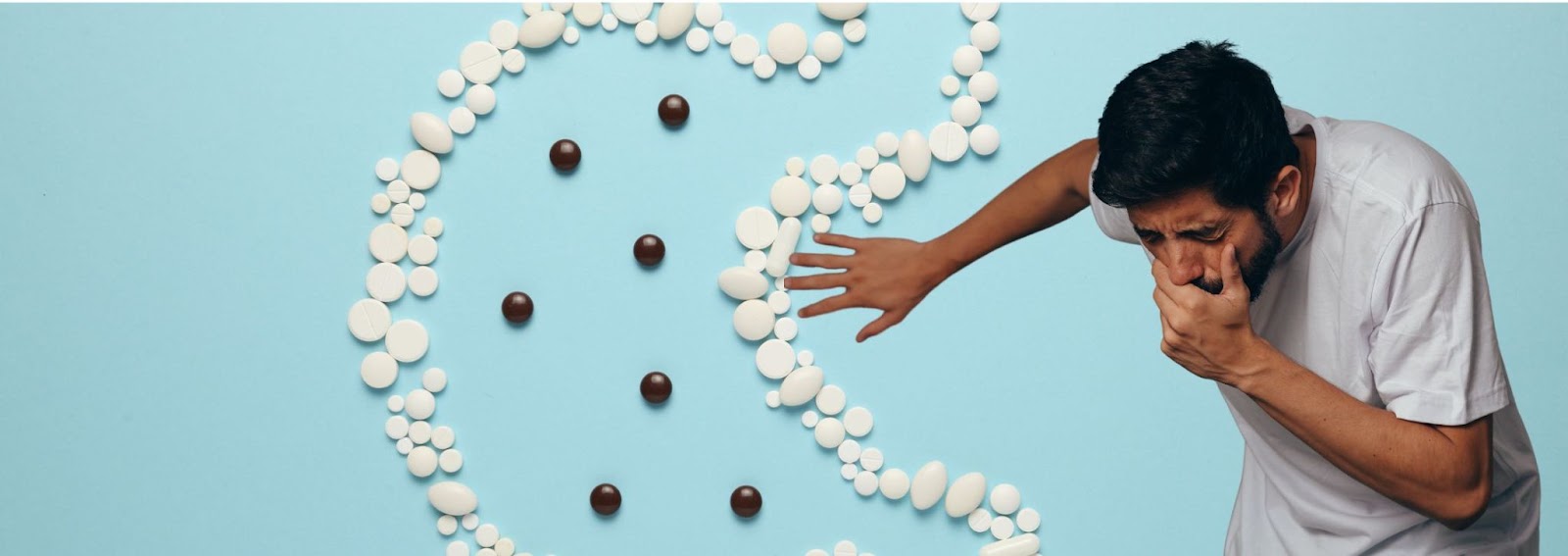
The gut microbiome is a complex ecosystem consisting of different types of bacteria, fungi, viruses, and other microorganisms. It is unique to each individual and can be influenced by various factors, including genetics, diet, lifestyle, and environmental exposures. The gut microbiome has a symbiotic relationship with our bodies, providing numerous benefits such as aiding in digestion, producing essential nutrients, modulating the immune system, and protecting against harmful pathogens.
Food Poisoning and Gut Microbiome Disruption
When food poisoning occurs, the balance of the gut microbiome can be disrupted. The ingested pathogens can directly affect the composition and diversity of the microbiota, leading to dysbiosis, a state of imbalance in the gut microbial community. Dysbiosis can result in the overgrowth of harmful bacteria, while beneficial bacteria may decrease in numbers. This disruption can have various consequences on our health; including emotional and mental health.
Impact of Food Poisoning On Digestive Function
The gut microbiome plays a vital role in digestion and nutrient absorption. When food poisoning disrupts the gut microbiota, it can impair digestive function. The altered microbial composition may affect the production of digestive enzymes and reduce the efficiency of nutrient absorption, leading to symptoms such as diarrhoea, bloating, and malabsorption.
Weakening of the Immune System
The gut microbiome has a significant impact on our immune system. It helps regulate immune responses and defends against pathogens. However, food poisoning can weaken the immune system by disrupting the gut microbiome. The decreased diversity and altered composition of the microbiota can compromise the immune system’s ability to fight off infections and increase susceptibility to other illnesses.
Inflammation and Intestinal Damage
Food poisoning can trigger an inflammatory response in the gut, leading to intestinal damage. The pathogens and toxins released by the ingested contaminants can cause inflammation and damage the intestinal lining. This damage can further disrupt the gut microbiome and create a vicious cycle of inflammation and dysbiosis.
Recovery and Restoration of the Gut Microbiome
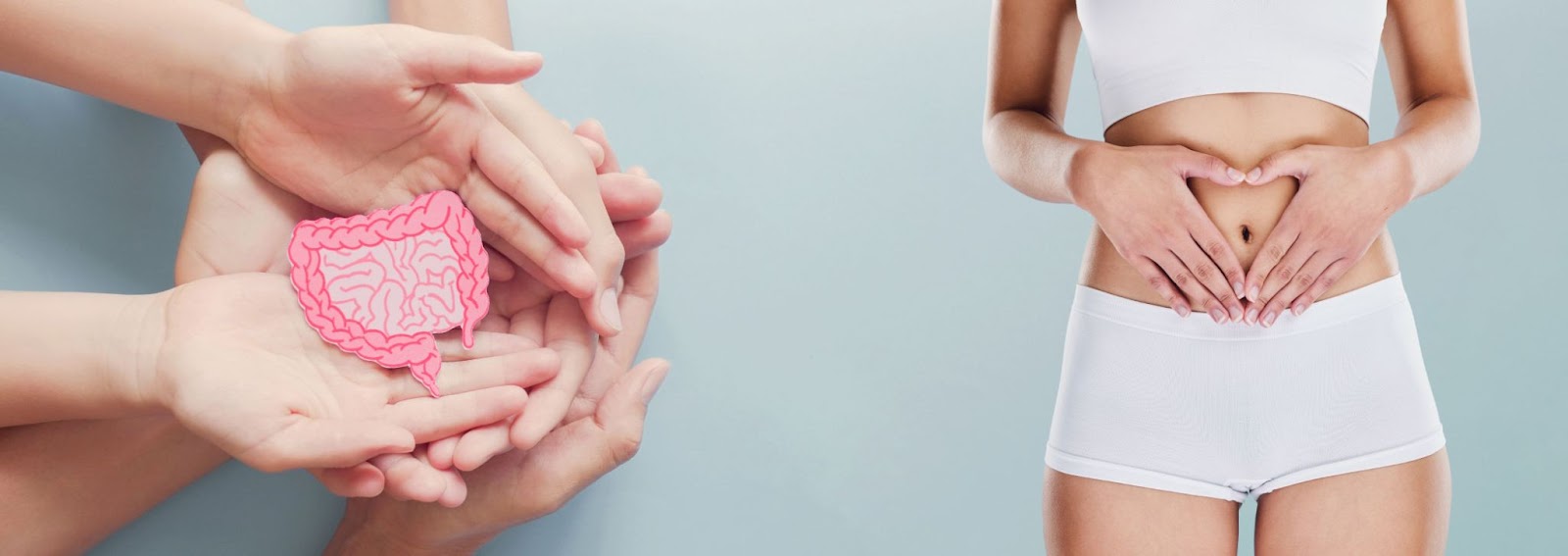
After experiencing food poisoning, it is essential to support the recovery and restoration of the gut microbiome. This can be achieved through a variety of methods, including:
1. Probiotics:
Consuming probiotic-rich foods or supplements can help replenish beneficial bacteria in the gut and restore microbial balance.
2. Prebiotics:
Including prebiotic foods in the diet, such as fruits, vegetables, and whole grains, can provide nourishment for the beneficial bacteria in the gut.
3. Fibre-rich diet:
A diet high in fibre promotes a healthy gut microbiome by providing fuel for the beneficial bacteria.
4. Hydration:
Staying hydrated is crucial for maintaining a healthy gut and supporting the elimination of toxins.
5. Avoiding processed and sugary foods
These can disrupt the gut microbiome and hinder recovery.
Takeaway…
Probiotics have emerged as a promising tool in building gut health and preventing food poisoning. By restoring the natural balance of bacteria in the gut, strengthening the gut barrier, modulating the immune system, and inhibiting pathogenic growth, probiotics can significantly reduce the risk of foodborne illnesses. While further research is needed to fully understand the mechanisms and optimal use of probiotics, incorporating them into a healthy lifestyle can be a beneficial strategy for promoting gut health and minimising the chances.
Remember that prevention is key, and practising proper food handling, safe storage, and personal hygiene will go a long way in protecting yourself and your loved ones from foodborne illnesses. Stay vigilant and prioritise your gut health at all times.