

Childhood eczema, also known as atopic dermatitis, is a chronic inflammatory skin condition that commonly affects infants and young children. It is characterised by dry, itchy, and inflamed patches of skin. Eczema is not contagious and can vary in severity from mild to severe.
Most Effective Treatment for Childhood Eczema
Finding out the causes of eczema will provide the answer to childhood eczema. But.
The exact cause of childhood eczema is unknown, but it is believed to be a combination of genetic and environmental factors. Children with a family history of eczema, asthma, or allergies are more likely to develop the condition. Environmental triggers such as irritants, allergens, and climate can also contribute to flare-ups.
Childhood Eczema is More Than An Itch

Physical Discomfort
Children with childhood eczema often experience discomfort and irritation due to the constant itching and scratching. The itching can be intense, leading to sleep disturbances and difficulty concentrating in school. The physical symptoms of eczema, such as dry and scaly skin, can also cause self-consciousness and social anxiety in children.
Emotional Distress
Having eczema as a child can be emotionally challenging. Children may feel embarrassed or ashamed of their skin’s appearance, especially if their eczema is visible on their face, hands, or other exposed areas. They may also feel frustrated and helpless due to the persistent itching and discomfort. This can lead to feelings of sadness, anger, or even low self-esteem.
Practical Limitation
Children with eczema may also face practical challenges. They may need to avoid certain activities or environments that trigger their eczema flare-ups, such as swimming in chlorine-treated pools, playing in the grass. Additionally, they may need to adhere to a strict diet and skincare routine, including regular moisturising and avoiding irritants in their environment.
It Can Affect Your Family
The impact of childhood eczema extends beyond the physical and emotional aspects. It can also affect a child’s family dynamics. Parents may experience stress and worry about managing their child’s eczema, finding suitable treatments, and preventing flare-ups. Siblings may feel jealous of the attention and time their parents dedicate to their sibling’s eczema care.
Despite the challenges, many children with eczema can lead fulfilling lives. With proper management and treatment, symptoms can be controlled, allowing children to enjoy activities and social interactions without constant discomfort. It is essential for parents, caregivers, and healthcare professionals to support and educate children with eczema, helping them understand their condition and providing them with the necessary tools to manage it effectively.
Possible Causes of Childhood Eczema

Several anatomical factors contribute to the development of childhood eczema. One key component is the epidermis, the outermost layer of the skin. In individuals with eczema, the epidermis is often thinner and less effective at retaining moisture, making the skin more prone to dryness and cracking.
Possible Causes of Childhood Eczema #1: Genetic Predisposition
One of the primary biological reasons for the development of eczema in children is a genetic predisposition. Numerous studies have shown that a family history of eczema, allergies, or asthma increases the likelihood of a child developing eczema. Certain genes associated with the skin’s barrier function and immune response may play a role in the development of this condition.
Possible Causes of Childhood Eczema #2: Dysfunction of the Skin Barrier
The skin acts as a protective barrier against external irritants and allergens. In children with eczema, there is a dysfunction in the skin barrier, making it more susceptible to irritants and allergens. This impaired barrier function allows allergens to penetrate the skin, triggering an immune response and leading to inflammation and itching.
Possible Causes of Childhood Eczema #3: Immune System Dysregulation
Children with eczema often exhibit an overactive immune response, leading to inflammation and excessive itching. The immune system plays a crucial role in maintaining the skin’s health and defending against pathogens. In eczema, the immune system’s response is altered, resulting in chronic inflammation and an increased risk of infections.
Possible Causes of Childhood Eczema #4: Allergic Reactions
Eczema is commonly associated with allergies, particularly food allergies and sensitivities. When a child with eczema comes into contact with allergens, such as certain foods, pollen, or pet dander, it can trigger an immune response and exacerbate eczema symptoms. Identifying and avoiding these allergens can help manage eczema in affected children.
Possible Causes of Childhood Eczema #5: Abnormal Skin Microbiome
The skin is home to a complex ecosystem of microorganisms, collectively known as the skin microbiome. In children with eczema, there is an imbalance in the skin microbiome, with an overgrowth of certain bacteria and a decrease in beneficial bacteria. This imbalance can further contribute to skin inflammation and aggravate eczema symptoms.
Managing Childhood Eczema
Management of childhood eczema involves a combination of skincare measures and medical treatments. The primary goal is to keep the skin hydrated and reduce inflammation. This can be achieved through regular moisturisation using emollients or ointments, avoiding triggers that worsen symptoms, and using prescribed topical corticosteroids or immunomodulators to control inflammation.
In addition to skincare, identifying and managing triggers is crucial in managing childhood eczema. Common triggers include certain foods, such as dairy products, eggs, and nuts, as well as environmental factors like dust mites, pet dander, and pollen. Keeping a diary to track triggers can help identify patterns and guide treatment decisions.
While there is no cure for childhood eczema, many children outgrow the condition as they get older. In the meantime, it is important to provide support and understanding to children with eczema, as it can have a significant impact on their quality of life. This may involve education about the condition, counselling, and psychological support to address any emotional or social challenges.
Effective Treatments for Childhood Eczema
While there is no cure for eczema, yet, there are several effective treatments available to manage the symptoms and provide relief for children suffering from this condition.
Effective Treatments for Childhood Eczema: Moisturisers
Keeping the skin well-moisturised is essential in managing childhood eczema. Regular application of a hypoallergenic moisturiser helps to hydrate the skin and prevent dryness, reducing the itchiness and irritation associated with eczema. Look for moisturisers that are fragrance-free and specifically formulated for sensitive skin.
Effective Treatments for Childhood Eczema: Topical Corticosteroids
In cases of moderate to severe eczema flare-ups, topical corticosteroids can be prescribed by a healthcare professional. These medications help to reduce inflammation, itching, and redness. It is important to use corticosteroids as directed and for the recommended duration, as long-term use can have adverse effects on the skin.
Effective Treatments for Childhood Eczema: Topical Calcineurin Inhibitors
Another class of medications commonly used in the treatment of childhood eczema is topical calcineurin inhibitors. These medications, such as tacrolimus and pimecrolimus, help to suppress the immune response in the skin and reduce inflammation. They are typically prescribed for children who do not respond well to or have adverse reactions to topical corticosteroids.
Effective Treatments for Childhood Eczema: Antihistamines
Antihistamines may be recommended by healthcare professionals to help relieve itching and promote better sleep for children with eczema. These medications block the effects of histamine, a chemical released during an allergic reaction that can contribute to itchiness and discomfort.
Effective Treatments for Childhood Eczema: Wet Wrap Therapy
Wet wrap therapy involves applying a moisturiser or topical medication to the skin and then wrapping it with wet bandages or clothing. This technique helps to enhance the absorption of moisturisers or medications into the skin and provides a soothing effect. It is important to consult a healthcare professional before trying wet wrap therapy, as it requires proper guidance and monitoring.
Effective Treatments for Childhood Eczema: Allergen Avoidance
Identifying and avoiding potential triggers or allergens that worsen eczema symptoms can help manage the condition effectively. Common triggers include certain foods, environmental factors like pollen or dust mites, and irritants such as harsh soaps or detergents. Keeping a diary to track symptoms and potential triggers can be helpful in determining the specific allergens that affect a child’s eczema.
Effective Treatments for Childhood Eczema: Behavioral Strategies
Managing stress and anxiety can have a positive impact on eczema symptoms. Techniques such as relaxation exercises, meditation, and counselling can help children cope with the emotional aspects of living with eczema and reduce flare-ups triggered by stress.
Effective Treatments for Childhood Eczema: Get the Right Probiotics
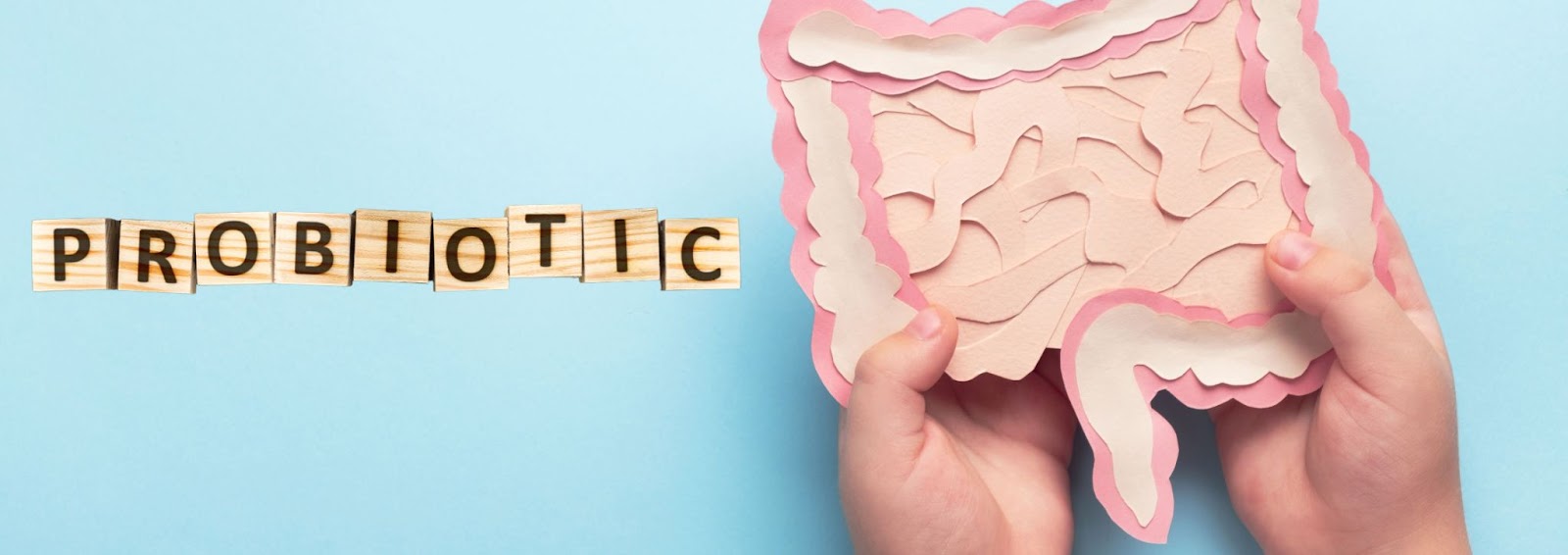
Probiotics can help reduce the symptoms of childhood eczema by restoring balance to the gut microbiome. Studies have shown that taking supplements with specific probiotic strains may reduce inflammation, improve skin barrier function, and reduce symptoms of eczema.
Probiotics are able to reduce inflammation by stimulating the production of beneficial bacteria in the gut, which helps to reduce the production of pro-inflammatory cytokines. Additionally, probiotics can help to repair the skin barrier, which helps to lock in moisture and protect against irritants.
Find out more about Probiotics for Childhood Eczema