

Our gut plays a vital role in maintaining overall health, and consuming gut friendly food can help support a healthy digestive system. This list provides foods that are known for their positive effects on the gut.
1. Yogurt
Yogurt is a fermented food that contains live and active cultures, including probiotics, which help maintain a healthy balance of gut bacteria. It is rich in calcium, protein, and vitamin D, making it an excellent choice for a gut friendly snack.
2. Kefir
Similar to yogurt, kefir is a fermented milk drink that is also rich in probiotics. It is high in calcium, magnesium, and vitamin B12, which are essential nutrients for a healthy gut.
3. Sauerkraut
Sauerkraut is a fermented cabbage dish that is full of beneficial bacteria. This gut friendly food helps promote a healthy gut and may also provide anti-inflammatory benefits.
4. Kimchi
Kimchi is a traditional Korean side dish that is made with fermented vegetables, such as cabbage, radishes, and scallions. It is rich in probiotics and vitamins, making it a great addition to your gut friendly diet.
5. Kombucha
Kombucha is a fermented tea drink that offers a medley of gut-friendly benefits. It is rich in probiotics, antioxidants, and enzymes, which support a healthy gut and overall well-being.
6. Pickles
Pickles are fermented cucumbers that are packed with probiotics and enzymes. They can help promote a healthy gut and may also support digestive function.
7. Dark Chocolate
Dark chocolate with at least 70% cocoa content is known for its gut-friendly properties. It contains antioxidants and fiber, which support a healthy digestive system.
8. Avocados
Avocados are rich in fiber and healthy fats, which promote a healthy gut. They are also a good source of vitamins, minerals, and antioxidants.
9. Bananas
Bananas are a good source of prebiotic fiber, which feeds beneficial bacteria in the gut. They also contain electrolytes, which can support digestive health.
10. Sweet Potatoes
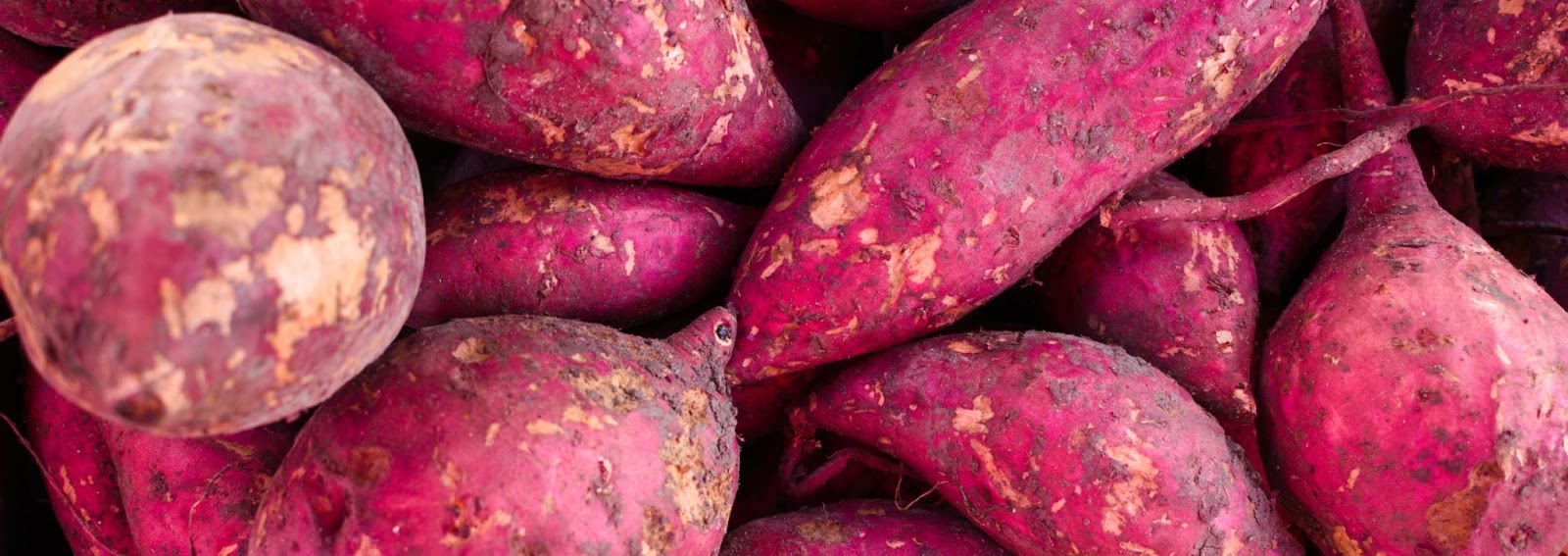
Sweet potatoes are rich in fiber and contain resistant starch, a prebiotic that helps support a healthy gut. They are also a good source of vitamins, minerals, and antioxidants.
11. Oats
Oats are a good source of soluble fibre, which can help promote regular bowel movements and support a healthy gut. They are a great source of gut-friendly food rich in antioxidants, vitamins, and minerals.
12. Lentils
Lentils are a good source of fiber and plant-based protein. They are also rich in vitamins and minerals, including iron, magnesium, and folate.
13. Garlic
Garlic has a positive impact on gut health due to its antimicrobial and anti-inflammatory properties. It helps support a healthy gut flora and may also boost immune function.
14. Ginger
Ginger is a natural anti-inflammatory agent and is known for its gut-friendly properties. It helps promote digestion and may also help alleviate digestive discomfort.
15. Chia Seeds
Chia seeds are rich in fiber and omega-3 fatty acids, which support a healthy gut. They also contain antioxidants and are packed with essential nutrients.
16. Jerusalem Artichokes
Jerusalem artichokes are a good source of prebiotic fiber and inulin. They promote a healthy gut and may also support digestive function.
17. Asparagus
Asparagus is a rich source of prebiotic fiber and antioxidants. It helps support a healthy gut and may also provide anti-inflammatory benefits.
18. Quinoa
Quinoa is a gluten-free grain that is high in fiber and plant-based protein. It is also rich in vitamins and minerals, including magnesium, manganese, and folate.
19. Blueberries
Blueberries are a good source of antioxidants and fiber. They help support a healthy gut and may also promote cognitive function.
20. Almonds
Almonds are a good source of fiber and healthy fats, which support a healthy gut. They also contain vitamin E and magnesium, which are essential nutrients for good health.
21. Flaxseeds
Flaxseeds are rich in fiber and omega-3 fatty acids, which support a healthy gut. They also contain antioxidants and may help reduce inflammation.
22. Carrots
Carrots are a good source of fiber and antioxidants. They help support a healthy gut and may also promote eye health.
23. Apples
Apples are a good source of fiber and contain antioxidants. They help promote regular bowel movements and may also support heart health.
24. Broccoli
Broccoli is a rich source of fiber and antioxidants. It helps support a healthy gut and may also provide anti-cancer benefits.
25. Onions
Onions are a good source of prebiotic fiber and antioxidants. They help support a healthy gut and may also promote heart health.
26. Spinach
Spinach is an excellent gut-friendly food that. It helps support a healthy gut and may also provide anti-cancer benefits.
27. Papaya
Papaya is a rich source of fiber and papain, an enzyme that helps support digestion. It helps promote a healthy gut and may also support immune function..
28. Cauliflower
Cauliflower is a good source of fiber and antioxidants. It helps support a healthy gut and may also promote bone health.
Consuming gut-friendly food regularly can help support a healthy digestive system and promote optimal gut health. However, it can be challenging to incorporate gut-friendly foods into our daily meals. This document explores the challenges and strategies to overcome them, encouraging individuals to prioritize gut-friendly food choices.
Challenges in Ensuring Daily Gut-Friendly Food Consumption
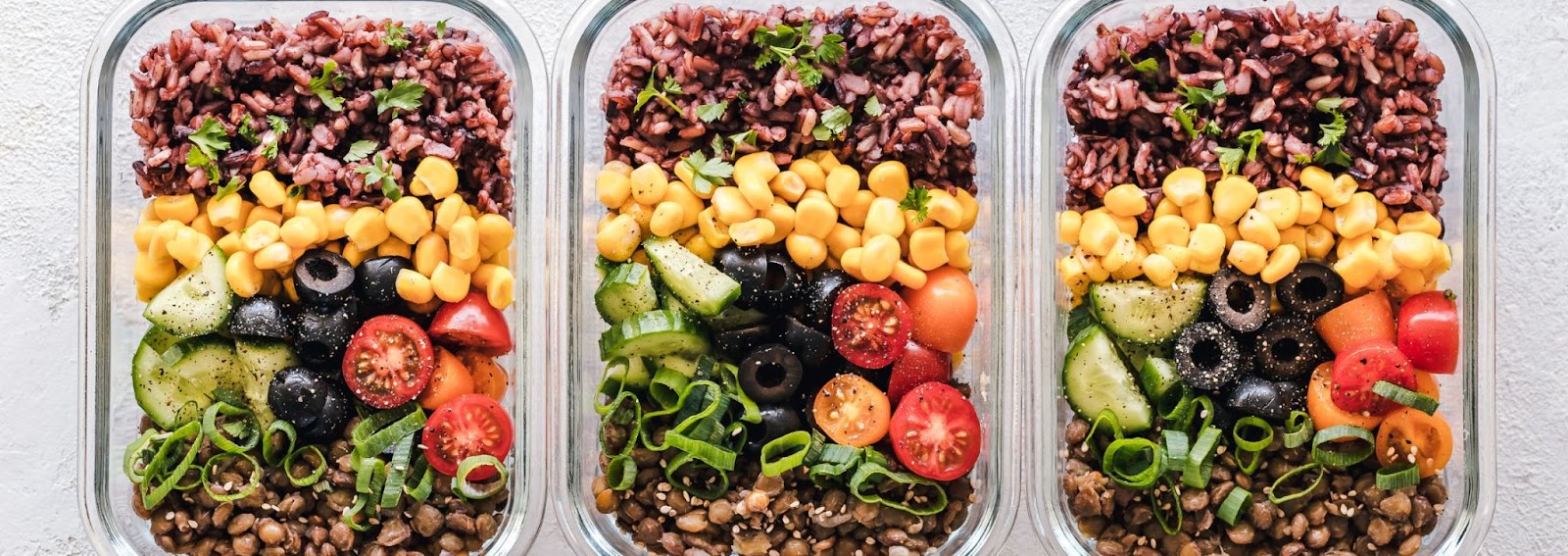
Gut-friendly foods have become increasingly popular in recent years as more people focus on improving their digestive health. While it’s generally recommended to incorporate gut-friendly foods into our daily routines, it’s not always easy. Let’s explore the challenges and provide some strategies to overcome them when it comes to consuming gut-friendly food.
1. Limited Availability
One of the main challenges in consuming gut-friendly foods is limited availability. Some gut-friendly foods like fermented foods, yogurt, and kefir may be harder to find in local grocery stores or markets. Additionally, seasonal and regional variations may also affect the availability of gut-friendly foods. To overcome this challenge, you can consider shopping at specialized health food stores, online vendors, or visiting farmers’ markets where a wider range of gut friendly options may be available.
2. Time-Consuming Preparation
Another challenge in consuming gut-friendly foods is the time-consuming nature of their preparation. Some gut friendly foods, such as fermented vegetables or kefir, require fermentation or culturing processes that can take several hours or even days. This can make it difficult to incorporate these foods into our daily routines, especially when we’re already pressed for time. To overcome this challenge, you can try preparing larger batches of gut-friendly foods in advance and storing them in the refrigerator. This can help make them more convenient and accessible for daily consumption.
3. Disinclination for Unique or Unfamiliar Tastes
Certain gut-friendly foods may have unique or unfamiliar tastes, which can discourage some people from including them in their daily routine. To overcome this challenge, you can try experimenting with different preparation methods and flavorings to make the gut friendly foods more appealing and enjoyable. For example, fermented vegetables can be seasoned with different herbs and spices to enhance their taste, while yogurt can be mixed with fresh fruits or honey for added sweetness.
4. Social Influences and Peer Pressure
Social influences and peer pressure can also play a role in challenging the consumption of gut-friendly foods. When we surround ourselves with individuals who eat predominantly unhealthy foods or indulge in tempting treats, it can be harder to stay on track with our gut-friendly diet. To overcome this challenge, it’s important to surround yourself with supportive individuals who share similar health goals. Additionally, seeking advice or support from healthcare professionals or nutritionists can provide valuable insights and guidance when it comes to gut-friendly food choices.
5. Expense
While gut-friendly foods may offer numerous health benefits, they can sometimes be more expensive than conventional options. This can make incorporating them into our daily routines more of a financial burden. To overcome this challenge, you can prioritize gut-friendly foods within your budget and consider more cost-effective alternatives, such as fermented vegetables that can be made at home using readily available ingredients.
Strategies to Overcome Challenges
Education and Awareness
Raising awareness about gut-friendly foods and their benefits is crucial. Educating individuals about the positive impact of incorporating these foods into their daily diet can help overcome the initial challenge of limited knowledge.
Time Management
Efficient meal planning and preparation can help save time and ensure regular consumption of gut-friendly meals. Individuals can consider cooking in bulk or preparing meals in advance to streamline the process.
Variety and Creativity
Incorporating a variety of gut-friendly foods into meals can make them more enjoyable and appealing. Experimenting with new recipes and exploring new culinary traditions can expand the culinary repertoire and make it easier to include gut-friendly foods regularly.
Cost-Effective Options
Despite the potential higher cost, there are budget-friendly gut-friendly foods available. Shopping at local markets, using coupons, or exploring discount supermarkets can help save money without compromising quality.
Probiotics
Probiotics are live microorganisms, usually bacteria, that are considered beneficial for human health. They help maintain the balance of microorganisms in the intestines and support a healthy digestive system. Probiotics have gained attention in recent years for their potential to improve gut health and promote overall well-being.
G-Niib Probiotics employs innovation and curated to meet the needs of Asian guts. It works to improve gut health and promoting overall well-being. By restoring the natural balance of gut bacteria, probiotics support digestion, immune function, mental well-being, and skin health. Whether you suffer from digestive issues, have an impaired immune system, or want to enhance your overall well-being, G-niib Probiotics may be a valuable addition to your daily routine.