
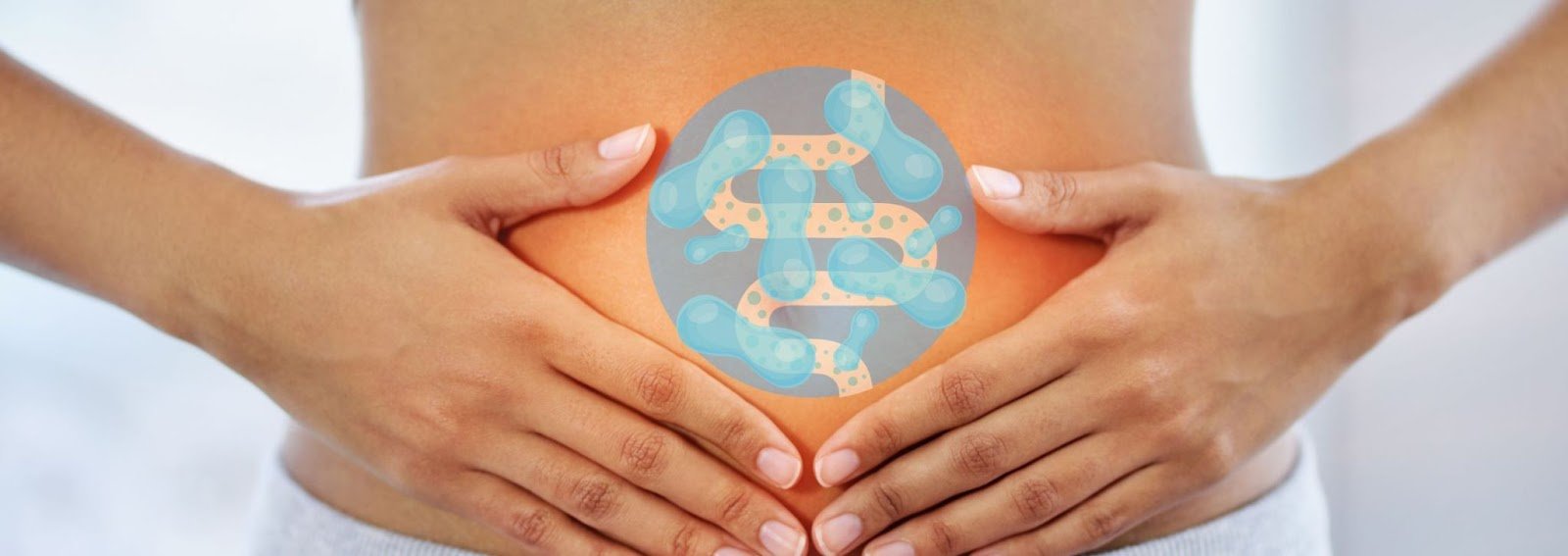
Gut health is essential to good health. You are constantly being kept healthy by 40 trillion bacteria! However, do you know how healthy your gut is?
Your gut microbiome is important and fascinating, and chances are you’ve come here looking for the best probiotics for you. You want to keep your gut’s good bacteria healthy and thriving because trillions of microorganisms work to break down and digest your food. Probiotics play a vital role in helping you maintain a healthy gut, but trusting your gut can only go so far. In this blog post, we will discuss:
- What is gut microbiome
- Importance of gut health
- Symptoms of poor gut health
- Best probiotics strains for gut health
The Gut Microbiome
The more you know about your gut, the more you can support it.
Microbes in our guts make up the gut microbiome, which is an ecosystem of microbes. Each of us is home to an extensive collection of bacteria, yeast, and viruses. We now know more than ever about gut health and probiotics thanks to research on the gut microbiome over the last few years.
Over the last decade, microbiome health, probiotics, and gut health have become increasingly important to wellness. Today, our microbiome confronts a plethora of challenges different from those it would have faced 50 years ago, making it all the more crucial that we take care of it.
A diet high in processed foods, sodium, lifestyle and stress are the leading threats to the microbiome of the human body, which results in numerous conditions, like:
Therefore, understanding your gut’s role in maintaining your overall health is more important than ever.
Importance of Gut Health
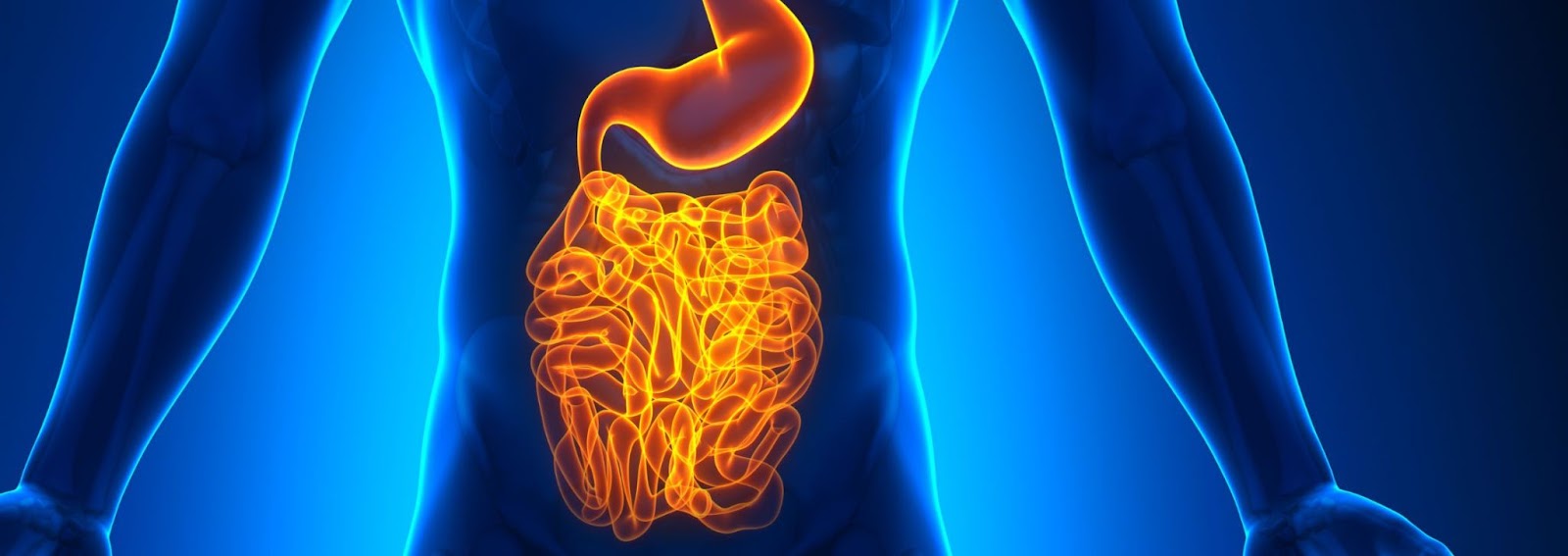
The gut is composed of a variety of different organs, each with a unique function that helps your gut (and you) remain healthy.
Gut functions include:
- Getting food into your body
- Digestion of food
- Extraction and absorption of nutrients
- Expulsion of remaining waste in the form of faeces
Your gut microbiome plays a key role in ensuring good digestion, which in turn affects your overall health. Various health benefits are conferred by a healthy microbiome, also known as probiotics.
Our microbiome does a lot for us and good gut bacteria are fundamental to our health. They help to break down and digest food, support the absorption of nutrients and discourage ‘bad’ bacteria, known as pathogens, that can take over and stop the gut from functioning correctly.
Find out more: All You Need To Know About Pre and Probiotics
Symptoms of Poor Gut Health
It is normal for everyone to have some bad bacteria in their gut. An unhealthy gut microbiome, or dysbiosis, is caused when good and bad bacteria are imbalanced. A dysbiotic gut and dysbiosis are characterized by the following symptoms:
- Bloating, gas, or wind
- Regurgitation of acid
- Stomach upset
- Having a sugar craving
- Bad breath
- Intolerances or allergies to food
- Insomnia
Hence, if you suffer from any or all of the above symptoms, you should consider prioritizing a healthy gut.
The gut is home to over 70%6 of your immune system, so using small, easy ways to support your gut on a regular basis can help keep yours well working for, instead of against, you.
Best Strains of Probiotics for Gut Health
In contrast to probiotic foods, probiotic supplements provide an exact count and description of probiotic strains present. They are easy to take, either as capsules or gummies.
In addition to bacteria and viruses, there are also microbes like yeasts and viruses living in the gut. We can expect to see some of these beneficial bacteria species in healthy guts, some that may be harmful at high levels, and others that are commensal with no negative or positive effect.
Bifidobacterium and Lactobacillus are generally found in the lower intestines, while there are many other types of ‘good’ bacteria.
It’s important to select supplements with the right strains for you, as research shows that different strains work in different ways. And for different ethnicities.
Find out more about Asian Guts
Asian health diseases include diabetes, digestive disorders, and cardiovascular diseases. According to a WHO report, South Asians will suffer more than 50% of the world’s cardiovascular deaths by 2020, despite accounting for 25% of the world’s population. In addition to diets high in fats and sodium, physical inactivity, and smoking, certain Asian dishes, like sweet and sour pork, can also cause diabetes because they are high in sugar. According to a cohort study by the PORTAL Network, Asian adults with healthy weight had a 10.1% prevalence of diabetes and a 33.0% prevalence of prediabetes. Clinical evidence has shown that Bifidobacterium may prevent the development of cardiovascular conditions such as hypertension, atherosclerosis, stroke and diabetes.
G-NiiB Immunity is uniquely developed for Asian guts.
10 ways to improve gut health naturally

We have compiled a quick checklist below that provides 10 easy tips to improve gut health:
- Keep hydrated by drinking plenty of water. Water helps digestion and promotes nutrient absorption, as well as preventing constipation by helping break down the food you eat.
- In order to improve gut health naturally, you should chew your food well – digestion begins in the mouth.
- Prebiotic fibres are found in foods such as onions, bananas, broccoli, kale, and beans, which provide good bacteria with food when eaten.
- Sugar is a food source that promotes the growth of bad bacteria, which in turn reduces the chance for good bacteria to flourish.
- It is recommended that you limit your intake of processed foods as they contain less nutrition and natural benefits for the gut due to the natural state of the food. Processed foods can also be difficult to digest, which can lead to a proliferation of harmful bacteria.
- Kimchi, kombucha, and sauerkraut are fermented foods that are good for your gut health.
- The regular exercise you do can help your bowel motility, particularly if you are constipated, and it can also boost the diversity of your microbes. Exercise can also help relax the muscles in the digestive tract, which can help move food through the gut more efficiently.
- Caffeine increases stress hormones in some people, leading to anxiety-induced gut symptoms. Consuming alcohol and caffeine in moderation is recommended. Alcohol irritates the digestive tract and can alter bacterial balance. Caffeine is a stimulant and it can increase cortisol levels, the hormone associated with stress. Alcohol can cause inflammation in the digestive tract, which can lead to digestive issues. Moderation is the key to managing both substances and avoiding unwanted side effects.
- It is important to take care of your gut health by reducing stress and sleeping well. There are direct links between the gut and the brain. The gut-brain connection has been studied extensively and it has been found that the microbiome of the gut plays a role in regulating hormones and other substances in the body. This means that by taking care of your gut, you can help to balance your hormones and minimize the effects of stress and alcohol on your body.
- Taking a daily probiotic is a great way to improve your health and ease your life. Make sure to choose a strain specific to your health needs for the best results.